
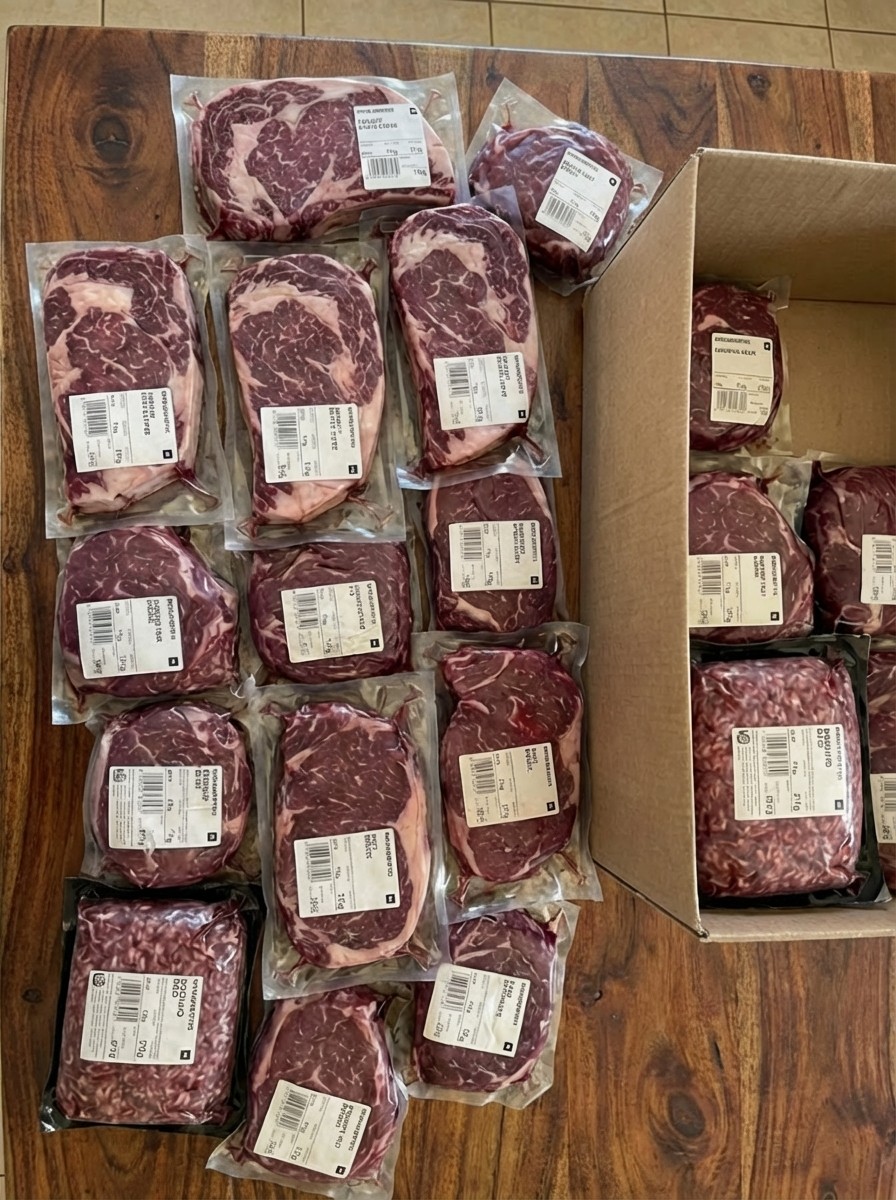
If you’ve ever walked into Aldi and glanced at the meat section, you probably did a double take. Chicken, beef, and pork often cost noticeably less than at traditional supermarkets. It might seem suspicious at first—but the real reason is surprisingly simple: Aldi runs a completely different business model.
Let’s break it down.
[adinserter block=”5″]
A No-Frills Shopping Experience
Aldi cuts costs everywhere it can—and passes those savings directly to customers. Stores are smaller, shelves are simpler, and there’s minimal decoration or staffing. You won’t find butchers behind a counter or elaborate displays. Instead, meat comes pre-packaged and ready to go, which reduces labor and operational costs.
Limited Product Selection
Unlike big grocery chains that offer dozens of brands for the same product, Aldi focuses on a small, curated selection. This includes meat. By selling fewer variations, Aldi can buy in bulk from suppliers at lower prices and negotiate better deals.
Private Label Power
Most of Aldi’s meat products are sold under its own private labels instead of expensive national brands. That means no extra cost for branding, marketing, or middlemen. The savings go straight to you.
Efficient Supply Chain
Aldi is known for its extremely efficient logistics. It works closely with suppliers and streamlines distribution to keep costs low. Products move quickly from warehouses to stores, reducing storage time and waste—especially important for fresh meat.
[adinserter block=”6″]
Minimal Staffing
Aldi stores operate with fewer employees compared to traditional supermarkets. Staff members are trained to handle multiple roles—stocking shelves, managing checkout, and organizing inventory. Lower labor costs help keep meat prices down.
Customers Do Part of the Work
Ever noticed you need a coin to use a shopping cart at Aldi? That’s part of the strategy. Customers return carts themselves, bag their own groceries, and move quickly through checkout. This reduces the need for extra staff and keeps operational costs low.
Is Aldi Meat Lower Quality?
Not necessarily. Aldi meets strict food safety standards and often sources meat locally depending on the region. Many products are USDA-inspected (in the U.S.) and follow the same regulations as other supermarkets. The lower price is mainly about efficiency—not cutting corners on safety.
Final Thought
Aldi’s cheap meat isn’t a mystery—it’s a result of smart cost-cutting and a focused business model. By simplifying everything from store layout to supply chain, Aldi makes it possible to offer lower prices without sacrificing quality.
[adinserter block=”7″]