
[adinserter block=”3″]
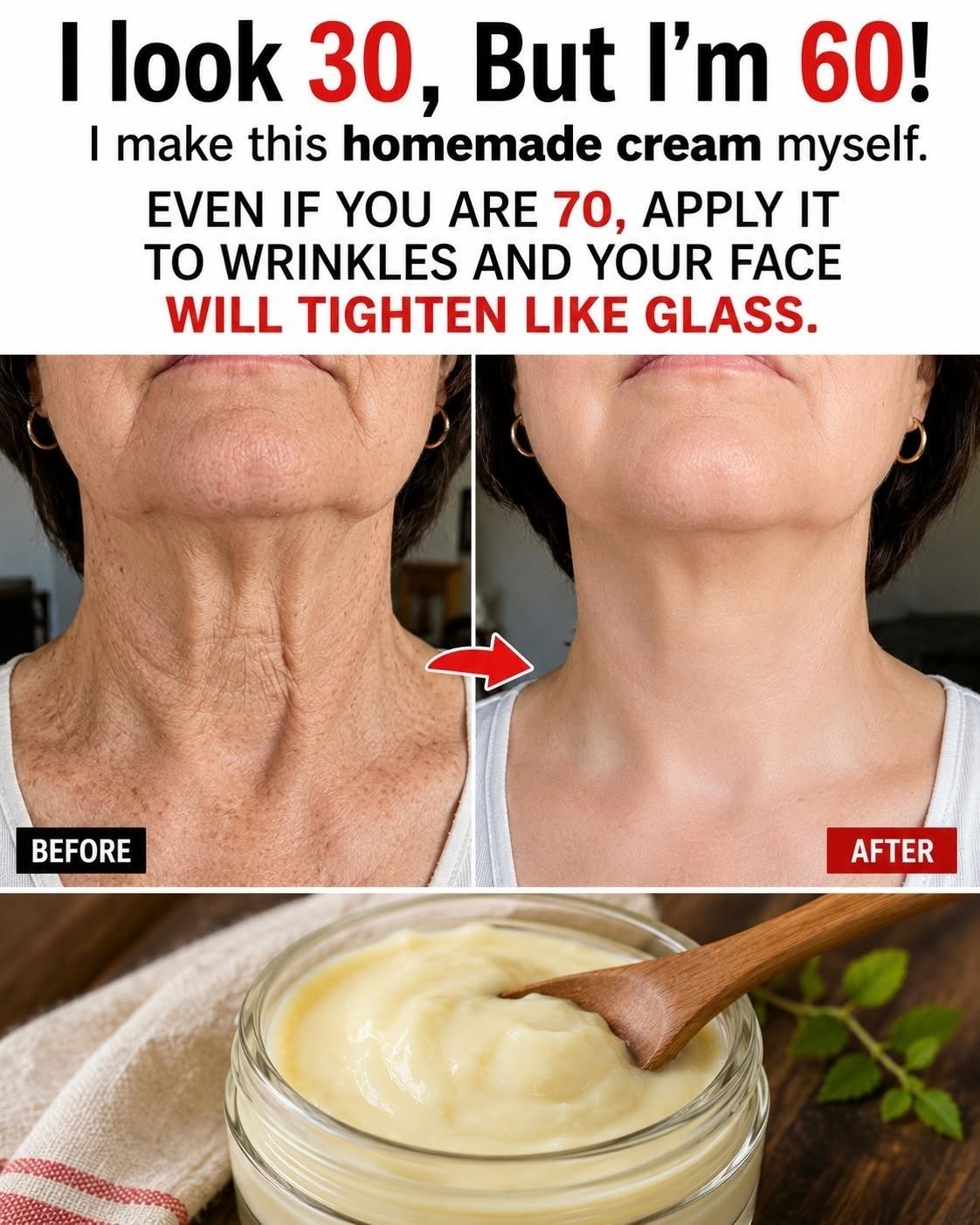
Social media is filled with homemade beauty recipes promising smoother skin, fewer wrinkles, and a brighter complexion. One of the most popular ingredients in these DIY treatments is baking soda.
But can a simple baking soda cream truly transform your skin? The answer is more complicated than many viral posts suggest.
Why People Use Baking Soda on Their Skin
Baking soda, also known as sodium bicarbonate, has long been used around the home for:
- Cleaning
- Deodorizing
- Removing stains
- Neutralizing odors
Because it has a slightly gritty texture, some people also use it as an exfoliant to remove dead skin cells.
Supporters claim it can:
- Brighten dull skin
- Reduce the appearance of pores
- Improve skin texture
- Leave the skin feeling smoother
The Potential Benefits
Gentle Exfoliation
When used carefully, baking soda can help remove surface dead skin cells that make skin appear rough or dull.
This temporary exfoliation may leave the skin feeling softer.
Oil Removal
Baking soda can help remove excess oil from the skin’s surface, which is why some people with oily skin find it appealing.
Temporary Smoothness
Many users notice smoother-feeling skin immediately after use because exfoliation removes dry surface layers.
The Risks You Should Know
While baking soda may provide temporary cosmetic benefits, dermatologists generally advise caution.
It Can Disrupt the Skin Barrier
Healthy skin naturally maintains a slightly acidic pH.
Baking soda is alkaline, which means frequent use can disrupt the skin’s natural balance.
This may lead to:
- Dryness
- Irritation
- Redness
- Increased sensitivity
Not Suitable for Sensitive Skin
[adinserter block=”4″]
People with:
- Eczema
- Rosacea
- Sensitive skin
- Active acne irritation
may experience worsening symptoms after applying baking soda.
Over-Exfoliation
Using baking soda too often can damage the skin’s protective barrier, causing irritation rather than improvement.
A Simple DIY Baking Soda Cream
If you decide to try it, use caution and perform a patch test first.
Ingredients
- 1 teaspoon baking soda
- 1–2 teaspoons plain moisturizer or aloe vera gel
Instructions
- Mix until a smooth paste forms.
- Apply gently to clean skin.
- Leave on for 1–2 minutes.
- Rinse thoroughly with lukewarm water.
- Follow with a moisturizer.
Avoid scrubbing aggressively.
Better Alternatives for Glowing Skin
Many skincare professionals recommend safer options for regular exfoliation, such as:
- Lactic acid
- Glycolic acid
- Salicylic acid
- Gentle enzyme exfoliants
These products are formulated specifically for skin and are generally more predictable than DIY remedies.
Tips for Naturally Healthy Skin
For long-term skin health:
- Wear sunscreen daily.
- Stay hydrated.
- Get adequate sleep.
- Eat a balanced diet rich in fruits and vegetables.
- Use gentle cleansers and moisturizers.
- Avoid excessive exfoliation.
[adinserter block=”5″]