
[adinserter block=”3″]
Many people with diabetes or prediabetes notice that certain symptoms become more noticeable during the evening or overnight. While these symptoms don’t automatically mean someone has diabetes, persistent signs should be discussed with a healthcare professional.
1. Frequent Nighttime Urination
One of the most common signs of high blood sugar is waking up multiple times during the night to urinate.
When blood glucose levels are elevated, the kidneys work harder to remove excess sugar from the bloodstream, producing more urine in the process.
2. Excessive Thirst
If you’re constantly reaching for water in the evening or waking up thirsty during the night, it could be related to fluid loss caused by frequent urination.
Many people describe a dry mouth that doesn’t seem to improve even after drinking fluids.
3. Night Sweats
Some individuals experience excessive sweating while sleeping.
Night sweats can sometimes occur when blood sugar levels fluctuate significantly, particularly in people who use diabetes medications or insulin.
4. Restless Sleep
High blood sugar may contribute to:
- Difficulty falling asleep
- Frequent awakenings
- Poor sleep quality
- Feeling tired despite a full night’s sleep
Poor sleep and blood sugar problems can sometimes reinforce each other.
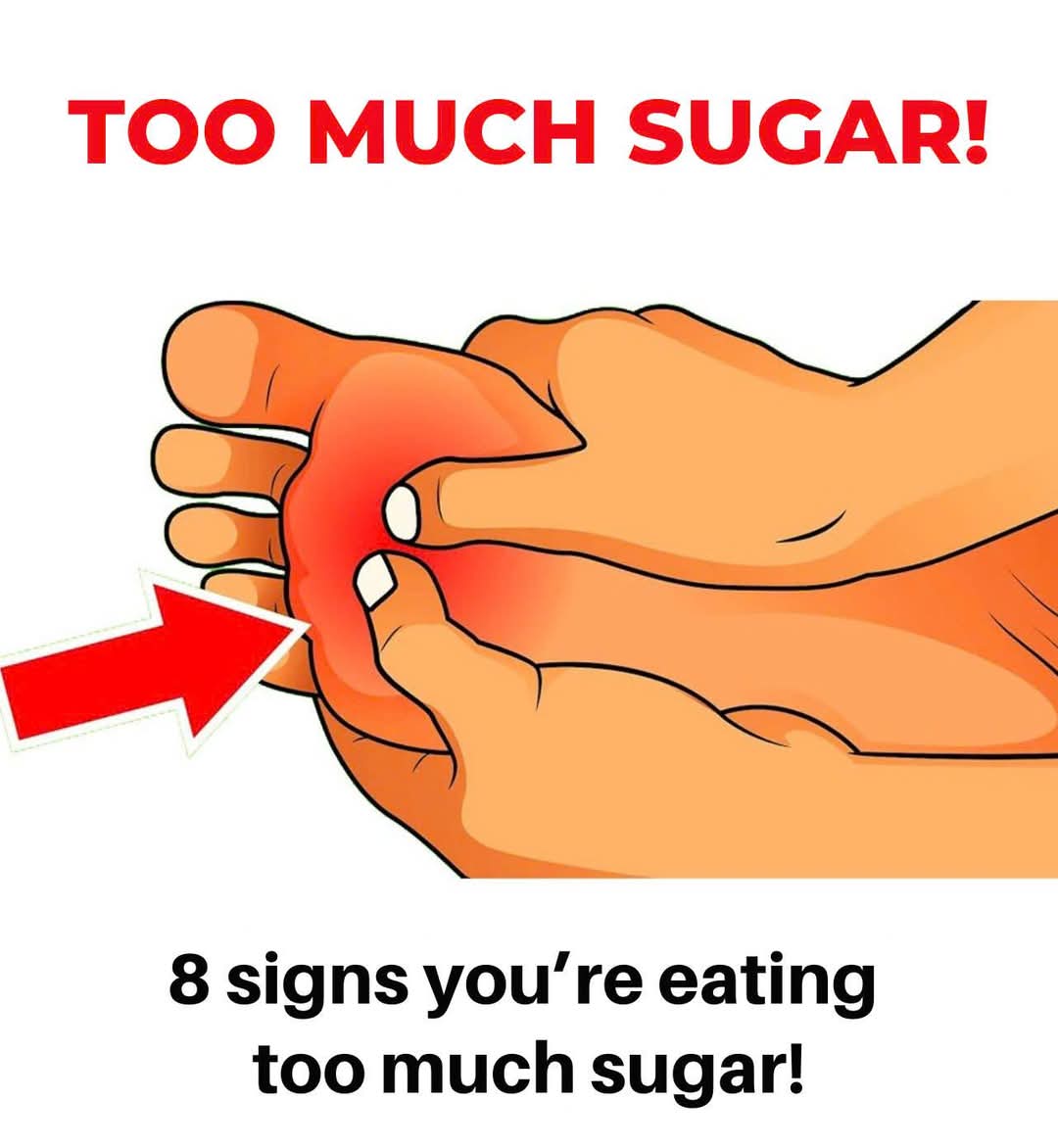
5. Tingling or Numbness in the Feet
[adinserter block=”4″]
Some people notice burning, tingling, or numb sensations in their feet and legs that seem worse at night.
Over time, elevated blood sugar can damage nerves, a condition known as diabetic neuropathy.
6. Blurred Vision
Temporary blurry vision can occur when high blood sugar affects fluid levels in the eyes.
Some people notice vision changes more clearly when reading or using screens in the evening.
7. Unexplained Fatigue
Even after sleeping, you may feel unusually tired or lacking energy.
When glucose cannot be used efficiently by the body’s cells, fatigue can develop despite adequate food intake and rest.
Other Possible Symptoms of High Blood Sugar
Additional warning signs may include:
- Increased hunger
- Slow-healing cuts or wounds
- Frequent infections
- Unintentional weight loss
- Dry skin
- Difficulty concentrating
When to See a Doctor
Consider seeking medical advice if you:
- Frequently wake up to urinate
- Experience ongoing excessive thirst
- Notice persistent numbness or tingling
- Have unexplained fatigue
- Have a family history of diabetes
A simple blood test can determine whether your blood sugar levels are within a healthy range.
Important Note
These symptoms can have causes other than diabetes, including sleep disorders, medication side effects, infections, prostate issues, dehydration, and other medical conditions. A proper diagnosis requires evaluation by a healthcare professional.
[adinserter block=”5″]