
[adinserter block=”4″]
Flossing is arguably the single most neglected element of home oral care — and simultaneously one of the most impactful. A toothbrush, no matter how thorough, physically cannot reach the spaces between teeth and just below the gumline. These contact points between teeth are precisely where plaque accumulates most heavily and where cavities and gum disease most commonly begin.
Daily flossing removes the plaque from these unreachable zones — making it not just complementary to brushing but genuinely essential.
How to floss effectively: Use approximately 18 inches of floss. Wind the majority around each middle finger, leaving about two inches to work with. Slide the floss gently between teeth using a zigzag motion — never snapping it, which can damage gum tissue. Curve the floss into a C-shape against each tooth and slide it gently up and down along the tooth surface, going just slightly below the gumline.
Use a clean section of floss for each tooth. Floss once daily — ideally at night before brushing.
Floss picks, water flossers, and interdental brushes are all acceptable alternatives for people who find traditional flossing difficult to manage.
Remedy 6: White Vinegar Rinse — Acid Against Bacteria
White vinegar contains acetic acid, which has mild antimicrobial properties against the bacteria that form plaque. It also helps dissolve early mineral deposits on tooth surfaces, making it one of the more active natural options for plaque control.
How to use it: Mix two teaspoons of white vinegar and one teaspoon of salt into a small glass of warm water. Swish around the mouth for 30 to 60 seconds, then rinse well with plain water.
Use no more than twice per week. Because vinegar is acidic, overuse can gradually affect enamel. Always rinse with plain water after using vinegar and wait at least 30 minutes before brushing.
Remedy 7: Orange Peel — Natural Enamel Polish
Fresh orange peel contains limonene — a natural compound with mild antimicrobial and brightening properties that has been used in traditional oral care for generations.
How to use it: Take the white inner side of a fresh orange peel and rub it directly along the surfaces of your teeth for two to three minutes. The gentle abrasion combined with the natural compounds in the peel helps scrub away surface plaque and light staining. Rinse thoroughly with water afterward.
Use two to three times per week as a natural teeth-polishing step after regular brushing.
[adinserter block=”5″]
Remedy 8: Aloe Vera Gel — Antimicrobial and Soothing
Aloe vera has documented antimicrobial properties against several of the bacteria strains responsible for plaque formation and gingivitis. Applied directly to teeth and gums, it helps reduce bacterial load while soothing any existing gum irritation.
How to use it: Apply a small amount of pure aloe vera gel to your toothbrush and brush your teeth as normal. Alternatively, apply the gel directly to teeth and gums, leave for a few minutes, then rinse thoroughly.
Use three to four times per week. Look for pure aloe vera gel without added flavors, colors, or alcohols — the simpler the ingredient list, the better.
Remedy 9: Antiseptic Mouthwash — The Final Protective Layer
Using an antiseptic mouthwash after brushing and flossing adds a final layer of protection by reaching areas that brushing and flossing may have missed and maintaining reduced bacterial levels for several hours after use.
Look for mouthwashes containing chlorhexidine, cetylpyridinium chloride, or essential oils like thymol and eucalyptol — all of which have clinically documented effectiveness against plaque bacteria.
Swish for 30 to 60 seconds and spit out. Do not rinse with water afterward — this washes away the active ingredients before they’ve had time to work fully.
For a natural alternative, a warm salt water rinse — half a teaspoon of salt in a glass of warm water — is a simple, effective antimicrobial rinse that reduces oral bacteria and soothes inflamed gum tissue.
Dietary Changes That Help Control Plaque
What you eat directly affects how quickly plaque forms and how aggressively it behaves. These dietary adjustments make a meaningful difference:
Reduce sugar and refined carbohydrates. Plaque bacteria feed specifically on sugars and starches, producing the acids that cause enamel erosion and gum irritation. Reducing sugar intake starves the bacteria and slows plaque formation significantly.
Drink more water throughout the day. Water washes away food particles and helps maintain saliva flow — the mouth’s natural cleaning and buffering system. Fluoridated tap water provides the additional benefit of strengthening enamel against acid attack.
Eat crunchy fruits and vegetables. Raw apples, carrots, celery, and cucumbers act as natural tooth scrubbers, physically removing soft plaque from tooth surfaces as you chew while stimulating saliva production.
Include dairy in your diet. Cheese, yogurt, and milk are rich in calcium and phosphates that help remineralize enamel and neutralize the acids produced by plaque bacteria. Cheese in particular has been shown to reduce oral acidity after meals.
Drink green or black tea. Both contain polyphenols that inhibit the growth and activity of plaque-forming bacteria. Unsweetened tea is one of the most accessible and well-studied dietary additions for oral health.
The Critical Difference Between Plaque and Tartar
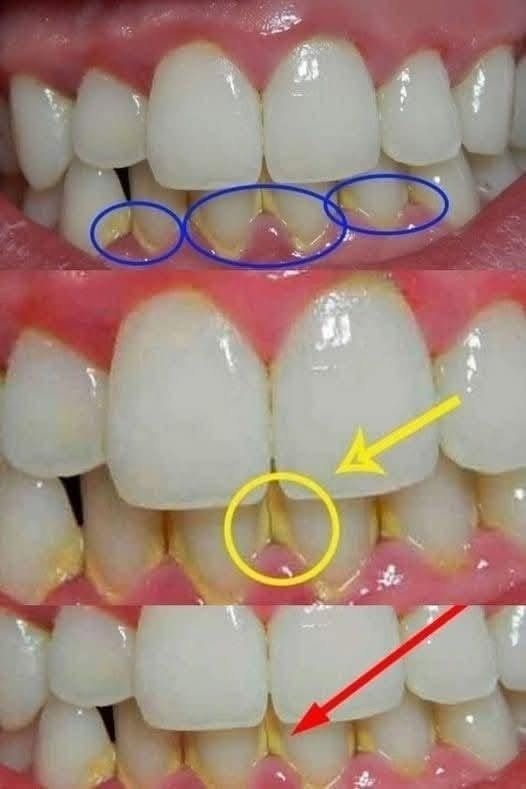
One of the most important points in any guide about home plaque removal is this: the remedies above work effectively on soft plaque. They do not work on tartar.
Once plaque has mineralized into hardened tartar — which can happen within just a few days of inadequate brushing — no home remedy, natural or otherwise, can remove it. Tartar requires professional dental instruments for removal. Attempting to scrape tartar at home with metal tools risks damaging enamel and gum tissue.
This is why the timing of home care matters so much. The goal is to remove plaque every single day — ideally twice daily — before it ever has the opportunity to harden.
When to See a Dentist
Home oral care is powerful — but it has limits. Schedule a professional dental cleaning if you experience any of the following:
- Visible yellow, brown, or gray deposits along the gumline that don’t improve with brushing
- Swollen, red, tender, or bleeding gums — signs of gingivitis or early periodontal disease
- Persistent bad breath that doesn’t resolve with thorough oral hygiene
- Tooth sensitivity to temperature or pressure
- Any visible changes to your teeth or gum tissue
Professional cleanings every six months are recommended for most adults. People with a history of gum disease or heavy tartar buildup may benefit from more frequent visits. Regular professional care combined with a diligent home routine is the most effective combination available for long-term oral health.
[adinserter block=”3″]