
[adinserter block=”4″]
A bright, clean smile starts with one thing most people underestimate: consistent plaque control. Dental plaque — that sticky, colorless film of bacteria that coats your teeth throughout the day — is the root cause of cavities, gum disease, bad breath, and tooth discoloration. And while professional dental cleanings remain the gold standard for oral health, there is a lot you can do at home between visits to keep plaque under control naturally.
Here’s everything you need to know — what plaque actually is, why it matters, and the most effective natural methods for removing it and keeping it from coming back.
What Is Dental Plaque and Why Is It Dangerous?
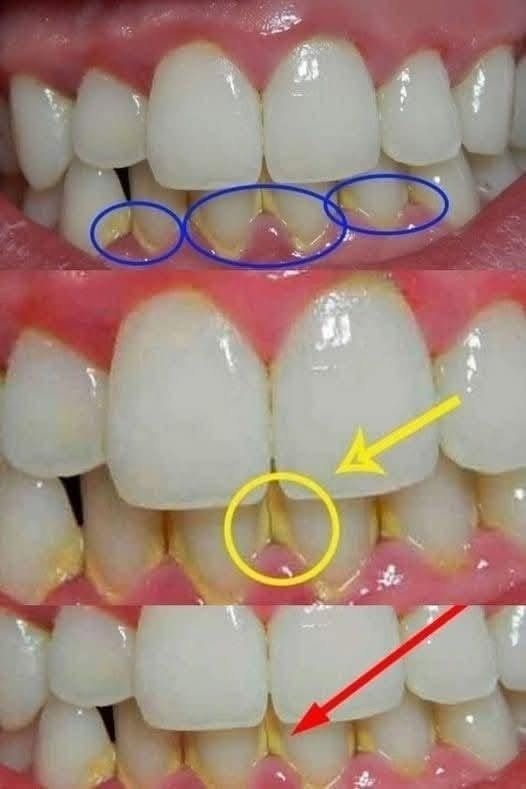
Plaque forms continuously. Within hours of brushing your teeth, bacteria in your mouth begin feeding on the sugars and starches left behind from food and drinks, producing a sticky, acidic film that adheres to the surface of your teeth and along the gumline.
At this early stage, plaque is soft and relatively easy to remove with proper brushing and flossing. The danger arises when it’s left in place.
Within 24 to 72 hours, undisturbed plaque begins to harden — absorbing minerals from saliva and calcifying into a substance called tartar, also known as dental calculus. Tartar is a rough, hardened deposit that bonds firmly to tooth enamel. Unlike soft plaque, tartar cannot be removed by brushing or any home remedy — only a dental professional with specialized tools can remove it once it has formed.
This is the critical window that home care is designed to address: removing soft plaque before it hardens into tartar. Consistent daily oral hygiene and the natural remedies below are powerful tools for staying within that window.
Remedy 1: Proper Brushing Technique — The Foundation of Everything
No natural remedy compensates for poor brushing. Before exploring any additional approaches, getting the basics right is the most important step.
What makes brushing effective:
Use a soft-bristled toothbrush — medium or hard bristles are unnecessarily abrasive and can damage enamel and gum tissue over time. Brush for a full two minutes — most people brush for less than 45 seconds, which is far too short to effectively clean all tooth surfaces.
Use a gentle circular or small back-and-forth motion, angling the brush at 45 degrees toward the gumline where plaque accumulates most heavily. Brush all surfaces of every tooth — the outer surface, the inner surface, and the chewing surface. The inner surfaces of the lower front teeth are where tartar most commonly builds up first and are also the most commonly missed.
Brush twice daily — once in the morning and once before bed. The pre-bedtime brush is the most important because saliva production decreases during sleep, removing the natural protective rinsing action that the mouth benefits from during waking hours.
Electric toothbrushes — particularly oscillating-rotating types — have been shown in multiple studies to reduce plaque levels more effectively than manual brushing, making them worth the investment for anyone serious about oral health.
Wait 30 minutes after eating before brushing. Eating temporarily softens enamel, and brushing too soon can cause microscopic abrasion. Rinse with water immediately after eating to neutralize acids, then brush after the waiting period.
[adinserter block=”3″]
Remedy 2: Baking Soda — Gentle Abrasive and pH Balancer
Baking soda is one of the most widely recommended and scientifically supported natural remedies for plaque removal — and it’s been a component of commercial toothpastes for this exact reason.
Sodium bicarbonate is a mild abrasive that physically scrubs away soft plaque deposits without damaging tooth enamel. It also neutralizes the acids produced by plaque bacteria, creating a less hospitable environment for bacterial growth. As a bonus, it gently whitens teeth over time by lifting surface stains.
How to use it: Mix a small amount of baking soda with just enough water to form a paste. Brush gently with this paste for two minutes, then rinse thoroughly. Use once or twice per week — not daily, as overuse can gradually wear enamel with repeated long-term application.
For a gentler version, add a small pinch of baking soda to your regular fluoride toothpaste rather than using it alone.
Remedy 3: Oil Pulling — Ancient Practice With Modern Support
Oil pulling is an Ayurvedic practice with centuries of use in traditional medicine — and growing scientific support. It involves swishing a tablespoon of oil around the mouth for an extended period, which physically draws bacteria and plaque residue away from tooth surfaces and gum tissue.
Coconut oil is the most popular choice, offering the added benefit of lauric acid — a compound with documented antimicrobial properties against the specific oral bacteria responsible for plaque formation and gum disease.
How to use it: Take one tablespoon of cold-pressed coconut oil and swish it gently around your mouth for 10 to 20 minutes. The oil will turn thinner and whitish as it mixes with saliva and picks up bacteria and debris. Spit it out into a trash can — never down the sink drain, as coconut oil solidifies and can cause clogs. Rinse thoroughly with warm water, then brush as normal.
Use oil pulling three to four times per week, ideally first thing in the morning before eating or drinking. Multiple small studies have confirmed that regular oil pulling reduces plaque levels and gingivitis markers, making it one of the more credible natural additions to an oral hygiene routine.
Remedy 4: Hydrogen Peroxide Rinse — Antibacterial Power
Hydrogen peroxide is a well-established antibacterial agent that has been used in oral care products for decades. As a mouth rinse, it helps kill plaque-causing bacteria, reduces gum inflammation, and can lighten minor surface staining on teeth.
How to use it: Mix equal parts of standard 3% hydrogen peroxide with warm water. Swish the diluted solution around your mouth for 60 seconds, making sure it reaches between teeth and along the gumline. Spit out completely — never swallow. Rinse with plain water afterward.
Use two to three times per week maximum. Avoid using undiluted hydrogen peroxide, which is too concentrated for regular oral use and can irritate the soft tissues of the mouth and gums.
Remedy 5: Daily Flossing — The Step Most People Skip
[adinserter block=”5″]