
[adinserter block=”3″]
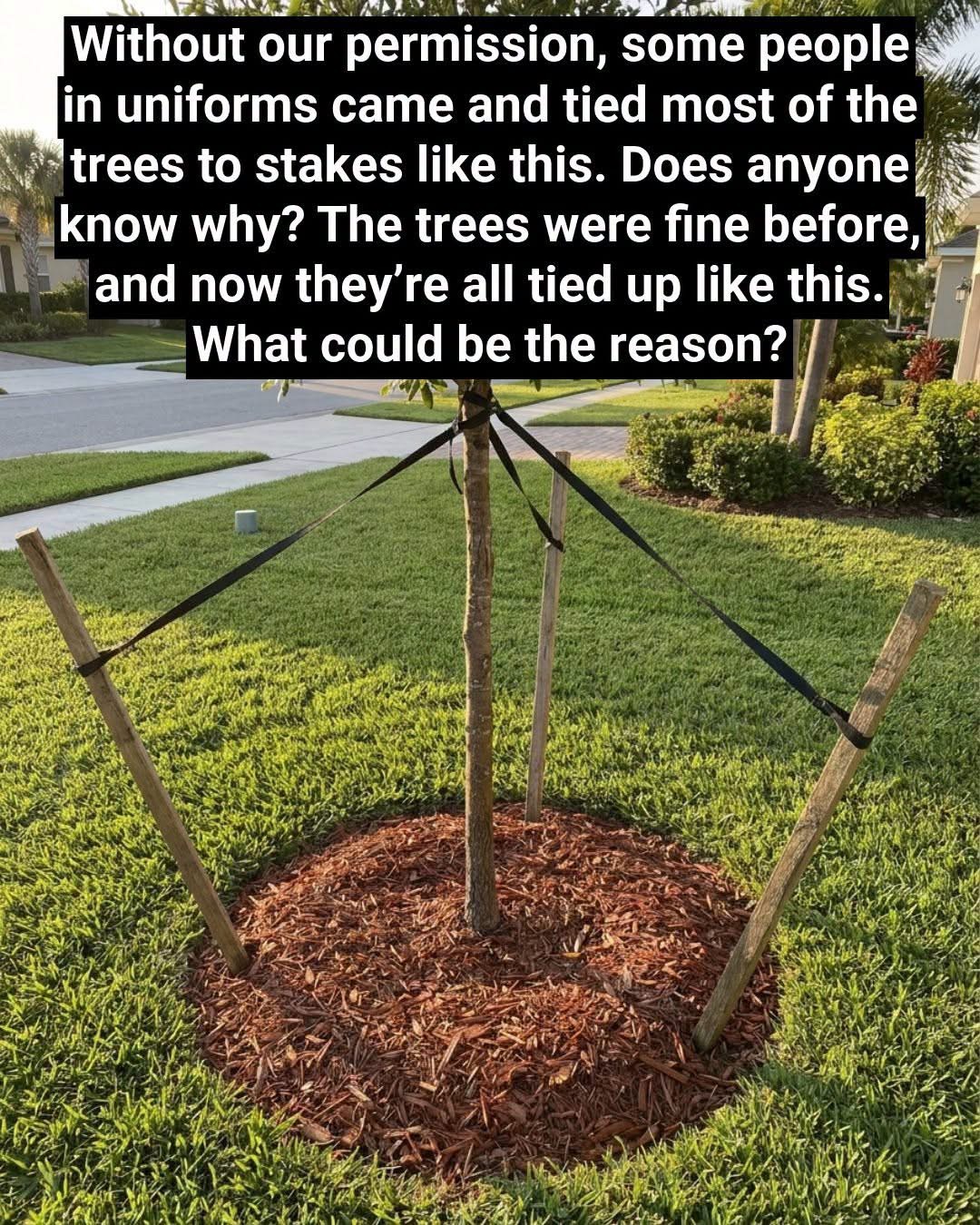
If you’ve ever noticed newly planted trees secured to wooden stakes with straps or ties, you may have wondered why. While many people assume it’s simply to keep the tree standing upright, there is actually more to the story.
Tree staking is a common practice used to help young trees establish themselves during the critical early stages of growth. However, it must be done correctly to provide benefits without causing harm.
Why Young Trees Need Support
When a tree is first planted, its root system is often not yet strong enough to anchor it firmly in the ground.
Factors that can affect a newly planted tree include:
- Strong winds
- Heavy rain
- Loose soil
- Uneven planting conditions
- Damage during transportation
Stakes provide temporary stability while the roots grow and become established.
Preventing Root Disturbance
One of the main reasons for staking is to prevent excessive movement.
While some movement is beneficial, too much swaying can:
- Damage developing roots
- Slow root establishment
- Cause the tree to lean
- Reduce overall stability
Proper staking helps the roots settle into the surrounding soil.
Protection From Wind Damage
Young trees are especially vulnerable to strong winds.
Without support, repeated bending may:
- Break branches
- Damage the trunk
- Loosen roots
- Cause permanent leaning
Temporary support can reduce stress during storms and windy conditions.
[adinserter block=”4″]
Encouraging Healthy Growth
Contrary to popular belief, trees should not be tied so tightly that they cannot move at all.
A small amount of movement helps the tree:
- Develop a stronger trunk
- Build natural resistance to wind
- Establish a healthier root system
The goal is support, not complete restriction.
Common Mistakes
Leaving Stakes Too Long
One of the biggest errors is forgetting to remove stakes after the tree becomes established.
Long-term staking can:
- Weaken trunk development
- Cause dependence on support
- Lead to girdling injuries
- Damage bark
Tying Too Tightly
Ties that are overly tight can:
- Restrict growth
- Injure the trunk
- Reduce nutrient flow
- Create weak points
Flexible materials are generally preferred.
When Should Stakes Be Removed?
Most young trees only require staking for a limited period.
Depending on the species, location, and growing conditions, support is often removed after one growing season or once the roots are firmly established.
The tree should be able to stand independently before stakes are removed.
Signs a Tree Is Established
A healthy, established tree will typically:
- Remain upright without support
- Show steady growth
- Have a stable trunk
- Display healthy leaves and branches
At this stage, staking is usually no longer necessary.
Benefits of Proper Tree Care
Helping a young tree establish itself can lead to:
- Stronger roots
- Better resistance to storms
- Healthier growth
- Longer lifespan
- Improved appearance
A little care during the first few years can make a significant difference for decades to come.
[adinserter block=”5″]