
[adinserter block=”3″]
Tonsil Stones (Tonsilloliths) — Simple and Clear Explanation
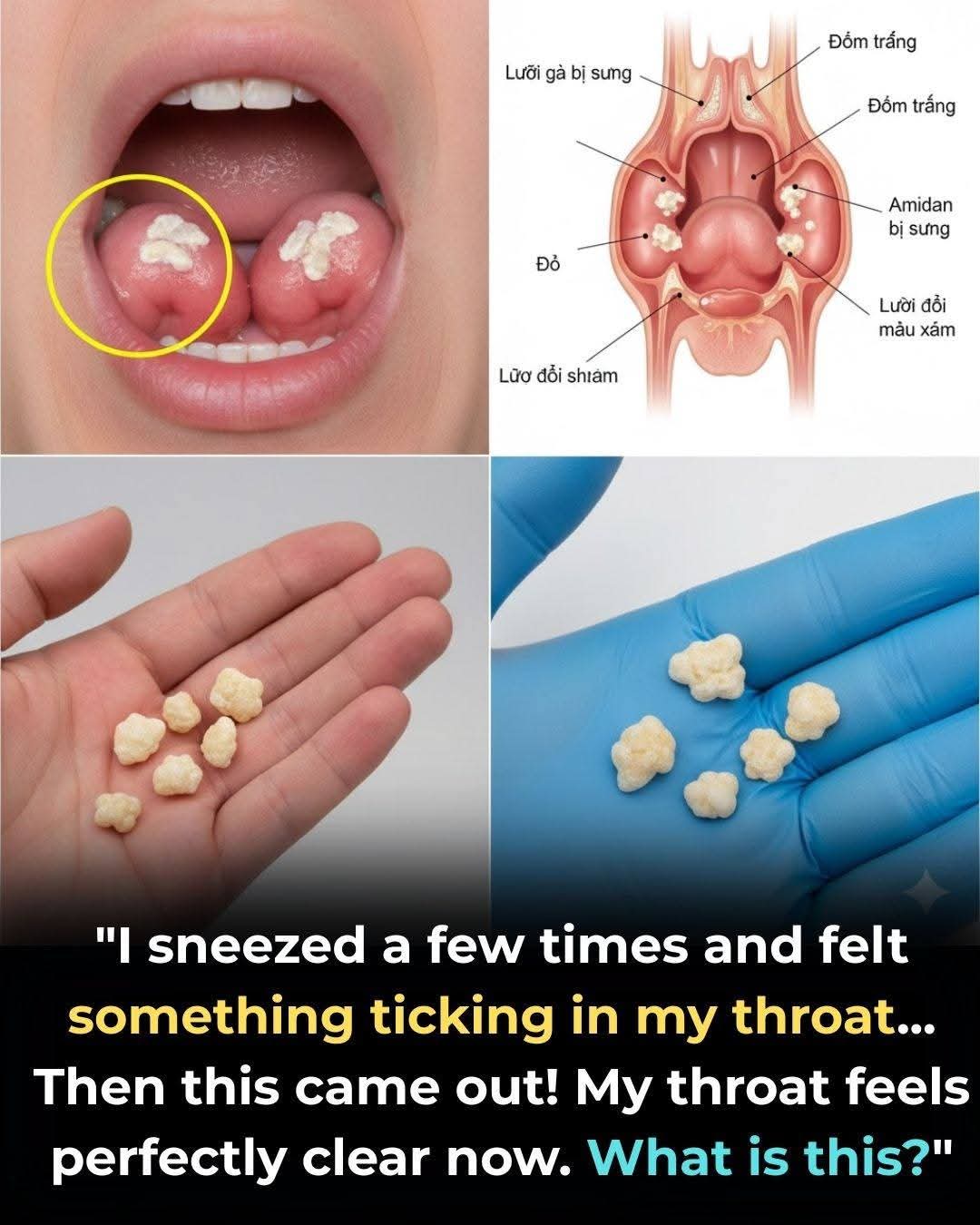
Tonsil stones are small, hard lumps that form inside the tiny pockets of the tonsils at the back of the throat. They are usually white or yellow in color and can look like tiny pebbles stuck in the tonsils.
🧠 What they are made of
Tonsil stones are not dangerous in most cases. They are made of a buildup of:
Food particles
Dead cells from the mouth
Mucus
Bacteria
Minerals such as calcium
Over time, these materials get trapped in the tonsil crevices and harden into small stones.
⚠️ Common symptoms
Many people do not notice them at all, but when symptoms appear, they may include:
Bad breath (very common)
Feeling like something is stuck in the throat
Mild throat irritation
Difficulty swallowing
Sometimes ear discomfort
🧬 Why they form
The tonsils have small folds and holes that can trap debris. When this debris builds up instead of being cleared naturally, it can harden and form stones.
[adinserter block=”4″]
They are more likely to appear in people who:
Do not maintain good oral hygiene
Have frequent throat infections
Suffer from dry mouth
Have deeper tonsil crypts
⚠️ Are they dangerous?
In most cases, tonsil stones are harmless. They are more of a nuisance than a medical problem. However, they can cause persistent bad breath or throat discomfort if they become large or frequent.
🧼 How they are managed
Most small tonsil stones can be treated or reduced at home by:
Gargling warm salt water
Drinking plenty of fluids
Brushing teeth twice a day
Cleaning the tongue regularly
Maintaining good overall oral hygiene
In persistent or large cases, a doctor can safely remove them.
🌿 Prevention tips
Brush and floss daily
Clean your tongue
Stay hydrated
Gargle after meals if needed
Treat throat infections early
🌙 Final conclusion
Tonsil stones are small buildups of debris and bacteria trapped in the tonsils. They are usually harmless but can cause discomfort and bad breath. Good oral hygiene is the best way to prevent them and reduce their recurrence.
[adinserter block=”5″]