
[adinserter block=”5″]
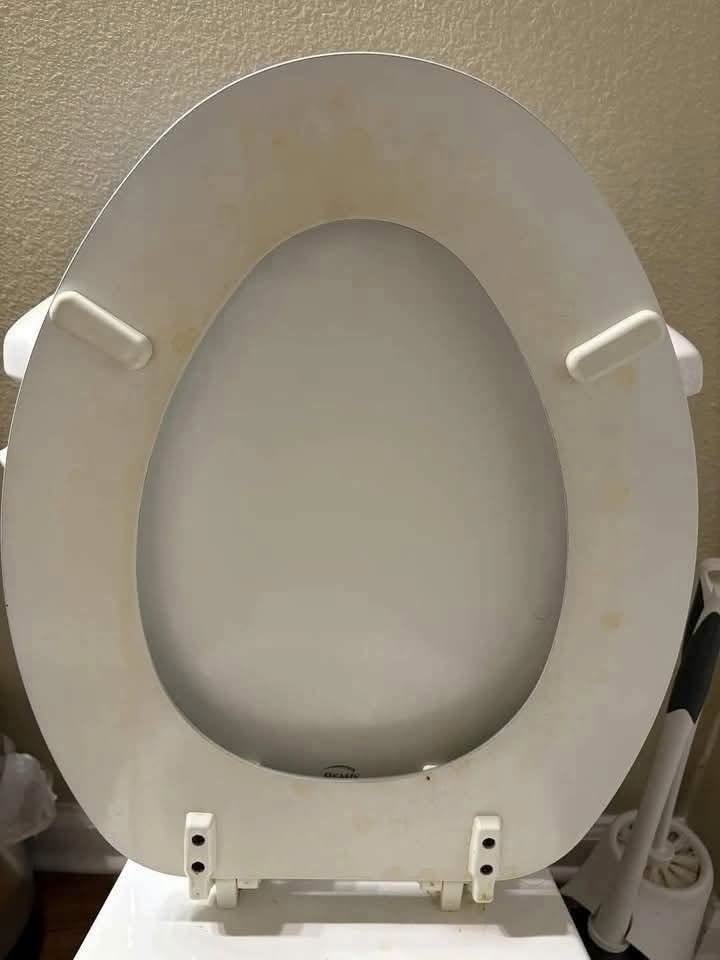
If you’ve ever looked inside your toilet bowl and noticed a stubborn yellow ring, you’re not alone. This is a very common household issue, and despite how unpleasant it looks, it’s usually not caused by anything dangerous.
That yellowish ring typically forms around the waterline and can become harder to remove over time if it’s not cleaned regularly.
What Causes the Yellow Ring?
The discoloration is usually caused by a combination of:
- Hard water minerals (calcium, magnesium, iron)
- Urine residue over time
- Bacteria buildup
- Limescale deposits
In areas with hard water, mineral buildup is the main culprit.
Why It Keeps Coming Back
Even after cleaning, the stain may reappear because:
- Minerals are continuously present in the water supply
- The surface becomes slightly rough over time, making buildup easier
- Infrequent cleaning allows deposits to harden
Regular maintenance is key to prevention.
Safe Ways to Remove Yellow Toilet Rings
Here are some common and effective cleaning methods:
1. White Vinegar and Baking Soda
This is one of the most popular natural cleaning combinations.
How to use:
- Pour vinegar into the bowl and let it sit
- Add baking soda
- Let it fizz and sit for 10–20 minutes
- Scrub with a toilet brush
This helps break down mineral buildup.
[adinserter block=”4″]
2. Pumice Stone (For Stubborn Stains)
A pumice stone can physically remove tough deposits.
Important:
- Wet the stone and toilet surface first
- Gently scrub to avoid scratching porcelain
3. Commercial Toilet Cleaners
Many products are specifically designed for limescale removal.
They often contain stronger acids that dissolve mineral buildup faster.
Always follow safety instructions.
4. Hydrogen Peroxide
Hydrogen peroxide can help disinfect and lighten stains.
- Pour into the bowl
- Let it sit for 15–30 minutes
- Scrub and flush
How to Prevent Yellow Rings
Prevention is easier than deep cleaning.
Clean Regularly
- Weekly cleaning helps prevent buildup
- Light scrubbing keeps stains from forming
Improve Water Quality (If Possible)
- Water softeners reduce mineral deposits
- Filtration systems may help in some homes
Flush More Often
- Prevents residue from sitting too long
- Reduces bacteria buildup
When It Might Indicate a Bigger Issue
In rare cases, persistent staining could indicate:
- Very high iron content in water
- Plumbing issues
- Old or damaged toilet glaze
If stains appear unusually fast or severe, checking water quality may help.
[adinserter block=”3″]