
[adinserter block=”3″]
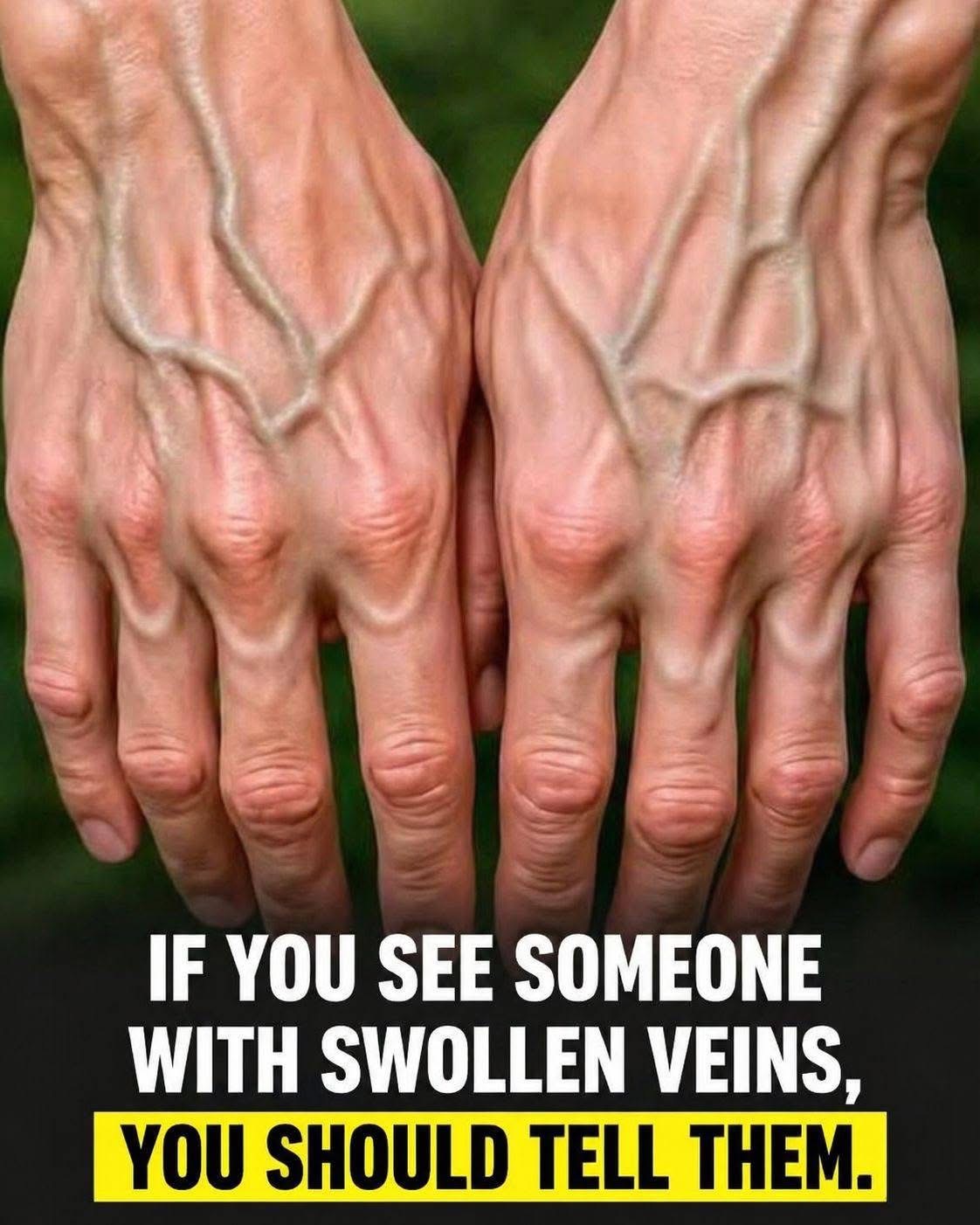
Many people notice visible veins on their hands, arms, legs, or feet and wonder if it means something about their health. In most cases, visible veins are completely normal and are influenced by factors such as skin type, age, body composition, and genetics.
Common Reasons Veins Are Visible
Low Body Fat
When there is less fat beneath the skin, veins are easier to see. This is common among athletes and physically active individuals.
Thin or Fair Skin
People with thinner or lighter-colored skin often have more noticeable veins because there is less tissue hiding them.
Aging
As we get older, the skin naturally becomes thinner and loses some elasticity, making veins appear more prominent.
Exercise
Physical activity increases blood flow to the muscles, which can temporarily make veins appear larger and more visible.
Warm Temperatures
Heat causes blood vessels to expand, making veins easier to see.
Genetics
Some people simply inherit more visible veins from their family members.
When Visible Veins May Be a Concern
[adinserter block=”4″]
Visible veins are usually harmless, but you should speak with a healthcare professional if you experience:
- Pain or tenderness
- Swelling
- Redness
- Skin discoloration
- Sudden changes in vein appearance
- Persistent heaviness in the legs
These symptoms could indicate an underlying circulation issue.
Common Myths
Myth: Visible veins mean you’re unhealthy.
False. Many healthy people naturally have visible veins.
Myth: Visible veins always mean you’re very fit.
Not necessarily. While athletes often have prominent veins, genetics and skin thickness also play major roles.
Myth: Visible veins are dangerous.
Most visible veins are completely normal and do not require treatment.
How to Support Healthy Circulation
- Stay physically active
- Maintain a healthy weight
- Stay hydrated
- Avoid sitting or standing for long periods
- Eat a balanced diet
[adinserter block=”5″]