
[adinserter block=”3″]
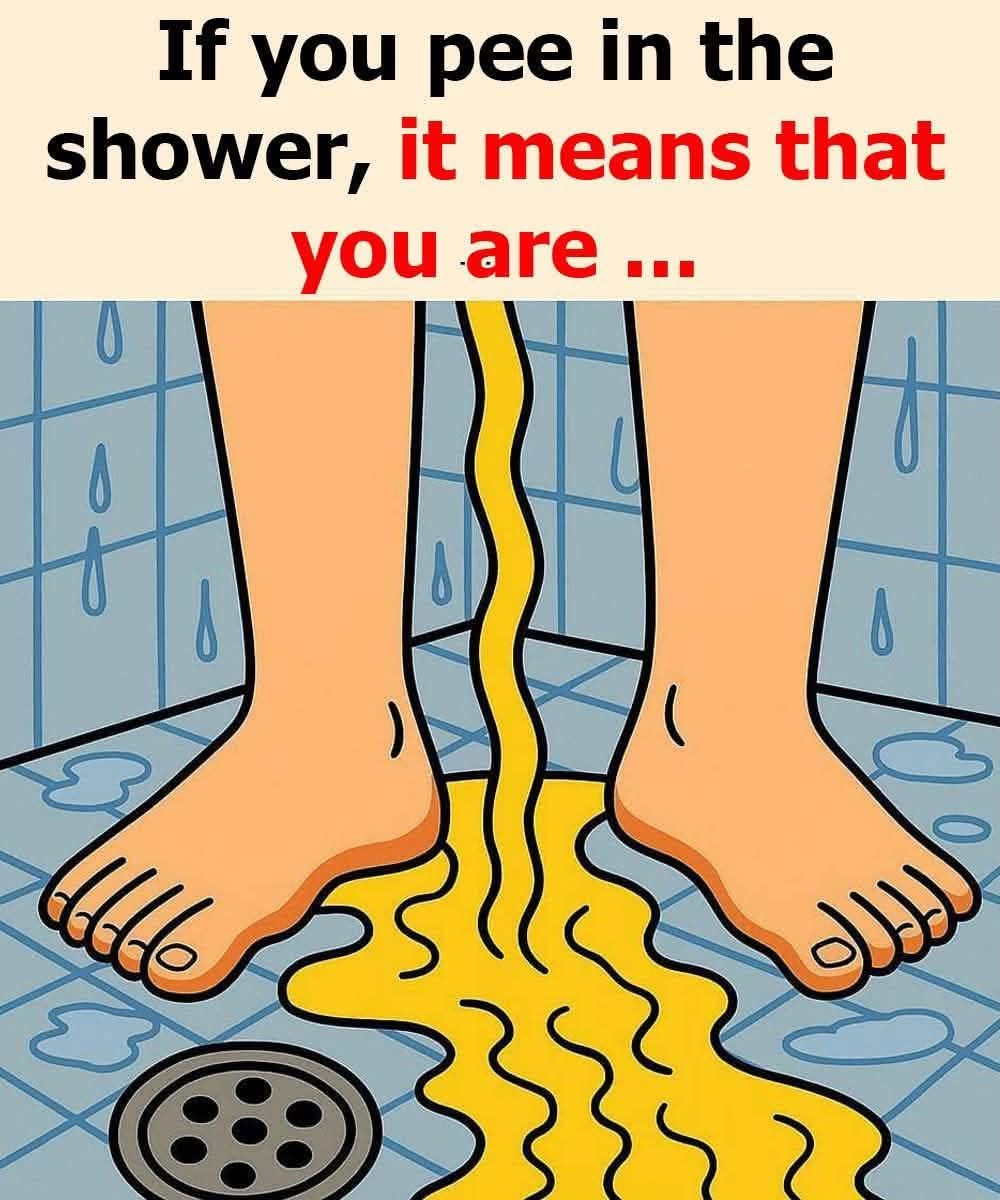
It’s a topic many people rarely discuss openly, yet surveys and online conversations suggest that peeing in the shower is far more common than most would admit. While some view it as a harmless way to save time and water, others question whether it is hygienic or potentially harmful.
So what does science actually say about this bathroom habit? Let’s explore the facts, common misconceptions, and considerations surrounding peeing in the shower.
How Common Is It?
Although exact numbers vary, numerous surveys suggest that a significant percentage of adults have urinated in the shower at least once.
Reasons people commonly give include:
- Convenience
- Saving water by avoiding an extra toilet flush
- Time efficiency
- Habit developed over time
Despite its widespread occurrence, the topic often remains surprisingly taboo.
Is Urine Sterile?
A popular belief is that urine is completely sterile. While healthy urine generally contains very low levels of harmful bacteria, modern research suggests it is not entirely sterile.
However, for healthy individuals, urine is usually composed primarily of:
- Water
- Urea
- Salts
- Metabolic waste products
In most cases, fresh urine from a healthy person presents minimal hygiene concerns when washed away immediately.
What Happens in the Shower?
When someone urinates in the shower:
- The urine is diluted by running water.
- It flows directly into the drain.
- Soap, shampoo, and water continue rinsing the area.
Because of this continuous water flow, the urine typically does not remain on surfaces for long.
Potential Benefits People Mention
Supporters of the practice often cite several perceived advantages.
Water Conservation
Flushing a toilet uses water. Some people believe shower urination reduces water consumption by eliminating one flush.
Convenience
It may save a brief trip between the shower and toilet.
Simplicity
For some individuals, it becomes part of their normal routine.
[adinserter block=”4″]
Hygiene Considerations
For most healthy individuals, occasional urination in the shower is unlikely to create major hygiene issues when the shower is cleaned regularly.
However, cleanliness still matters.
Good shower maintenance includes:
- Regular cleaning
- Proper drainage
- Adequate ventilation
- Prevention of mold and mildew buildup
These factors are generally more important than occasional urine exposure.
Could It Affect Plumbing?
In normal residential plumbing systems, urine is unlikely to cause damage.
Since urine is mostly water and is heavily diluted during a shower, it typically flows through pipes without issue.
Routine plumbing maintenance remains more important than concerns about occasional shower urination.
Concerns Raised by Some Health Experts
Some experts have suggested that repeatedly associating the sound of running water with urination may create a conditioned response in certain individuals.
The theory is that over time, hearing running water could trigger an increased urge to urinate.
While this possibility is discussed occasionally, research on the subject remains limited.
Considerations for Public Showers
Public showers present a different situation.
In shared facilities such as:
- Gyms
- Swimming pools
- Locker rooms
- Dormitories
Courtesy and sanitation concerns become more significant.
Many people consider urinating in public showers inappropriate due to shared use of the space.
Situations Where Caution May Be Needed
Certain circumstances may warrant greater attention.
For example:
- Active urinary tract infections
- Open wounds on the feet or legs
- Poorly maintained shower facilities
Individuals with specific medical concerns should follow guidance from healthcare professionals.
Common Myths
Myth: Urine Is Completely Sterile
Modern research indicates that urine is not entirely sterile, although healthy urine generally contains low levels of harmful microbes.
Myth: Shower Urination Causes Major Plumbing Problems
Under normal conditions, it typically does not damage plumbing systems.
Myth: It Automatically Creates Health Risks
For healthy individuals using clean showers, significant health risks are generally considered low.
Keeping Your Shower Clean
Whether you urinate in the shower or not, maintaining a clean bathroom is essential.
Helpful practices include:
- Cleaning surfaces regularly
- Disinfecting periodically
- Removing soap residue
- Improving ventilation
- Addressing mold growth promptly
These habits contribute to overall household hygiene.
The Environmental Discussion
Some environmental advocates argue that reducing toilet flushes can save water over time.
However, actual savings depend on:
- Household habits
- Toilet efficiency
- Water usage patterns
- Frequency of showering
The impact varies from one household to another.
[adinserter block=”5″]