
[adinserter block=”4″]
Few things are more disappointing than spending time preparing a meal only to end up with tough, chewy meat. Professional chefs know that achieving tender, juicy meat isn’t just about buying expensive cuts—it’s also about using the right preparation methods before cooking.
While many viral recipes claim there’s one magical ingredient that transforms any cut of meat, the truth is that tenderness usually comes from a combination of proper seasoning, marinating, and cooking techniques.
Why Meat Becomes Tough
To understand how to make meat more tender, it helps to know what causes toughness in the first place.
Several factors influence texture:
- Muscle fibers
- Connective tissue
- Fat content
- Cooking temperature
- Cooking time
Tougher cuts often come from muscles that worked harder during the animal’s life.
The Power of Marinades
One of the most effective ways to improve tenderness is through marinating.
A good marinade may contain:
- Acidic ingredients
- Oils
- Herbs
- Spices
- Salt
These ingredients can help enhance flavor while improving the texture of the meat.
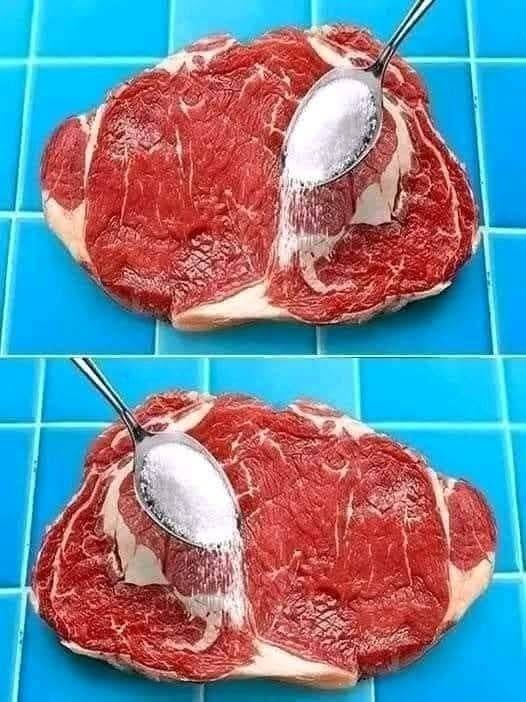
The Secret Ingredient Many Chefs Use: Salt
Surprisingly, one of the most important ingredients for tender meat is often simple salt.
When applied properly:
- Salt helps meat retain moisture.
- It improves flavor throughout the cut.
- It can enhance texture during cooking.
Many chefs season meat well in advance to allow the salt time to work.
Other Popular Tenderizing Ingredients
Yogurt
Yogurt contains natural acids that help soften proteins while adding moisture.
Buttermilk
Frequently used for poultry because it contributes to a tender texture.
Citrus Juice
Lemon, lime, and orange juice can add flavor and assist with tenderization when used in moderation.
Pineapple
Contains bromelain, a natural enzyme that breaks down proteins.
Kiwi
Contains enzymes that can help soften tougher cuts.
[adinserter block=”5″]
Don’t Overdo Acidic Marinades
Although acidic ingredients can be helpful, too much time in a strong marinade may negatively affect texture.
Excessive marinating can sometimes make meat:
- Mushy
- Unevenly textured
- Overly soft on the surface
Balance is important.
The Importance of Resting Meat
Many home cooks skip this step.
After cooking, allowing meat to rest for several minutes helps:
- Redistribute juices
- Improve tenderness
- Enhance flavor
Cutting immediately after cooking can cause moisture loss.
Slow Cooking for Tough Cuts
Some cuts become incredibly tender when cooked slowly.
Examples include:
- Chuck roast
- Brisket
- Short ribs
- Pork shoulder
Low temperatures over longer periods allow connective tissues to break down gradually.
Mechanical Tenderizing Methods
Physical techniques can also improve texture.
Pounding
A meat mallet can help break down muscle fibers.
Scoring
Shallow cuts may reduce shrinkage and improve tenderness.
Slicing Against the Grain
Cutting across muscle fibers makes meat easier to chew.
Common Mistakes That Lead to Tough Meat
Overcooking
One of the most common causes of dry, tough meat.
Cooking Straight From the Refrigerator
Allowing meat to sit briefly before cooking may promote more even cooking.
Using High Heat for Too Long
Excessive heat can force moisture out of the meat.
Skipping Rest Time
Juices may escape when meat is cut too soon.
Choosing the Right Cooking Method
Different cuts benefit from different techniques.
Tender Cuts
Best for:
- Grilling
- Pan-searing
- Quick cooking
Tougher Cuts
Best for:
- Braising
- Slow cooking
- Stewing
Matching the method to the cut often makes a dramatic difference.
Flavor and Tenderness Go Hand in Hand
The most memorable meals combine both.
A properly seasoned and tender piece of meat offers:
- Better texture
- More moisture
- Richer flavor
- Greater enjoyment
Simple preparation steps can significantly improve results.
[adinserter block=”3″]