
[adinserter block=”3″]
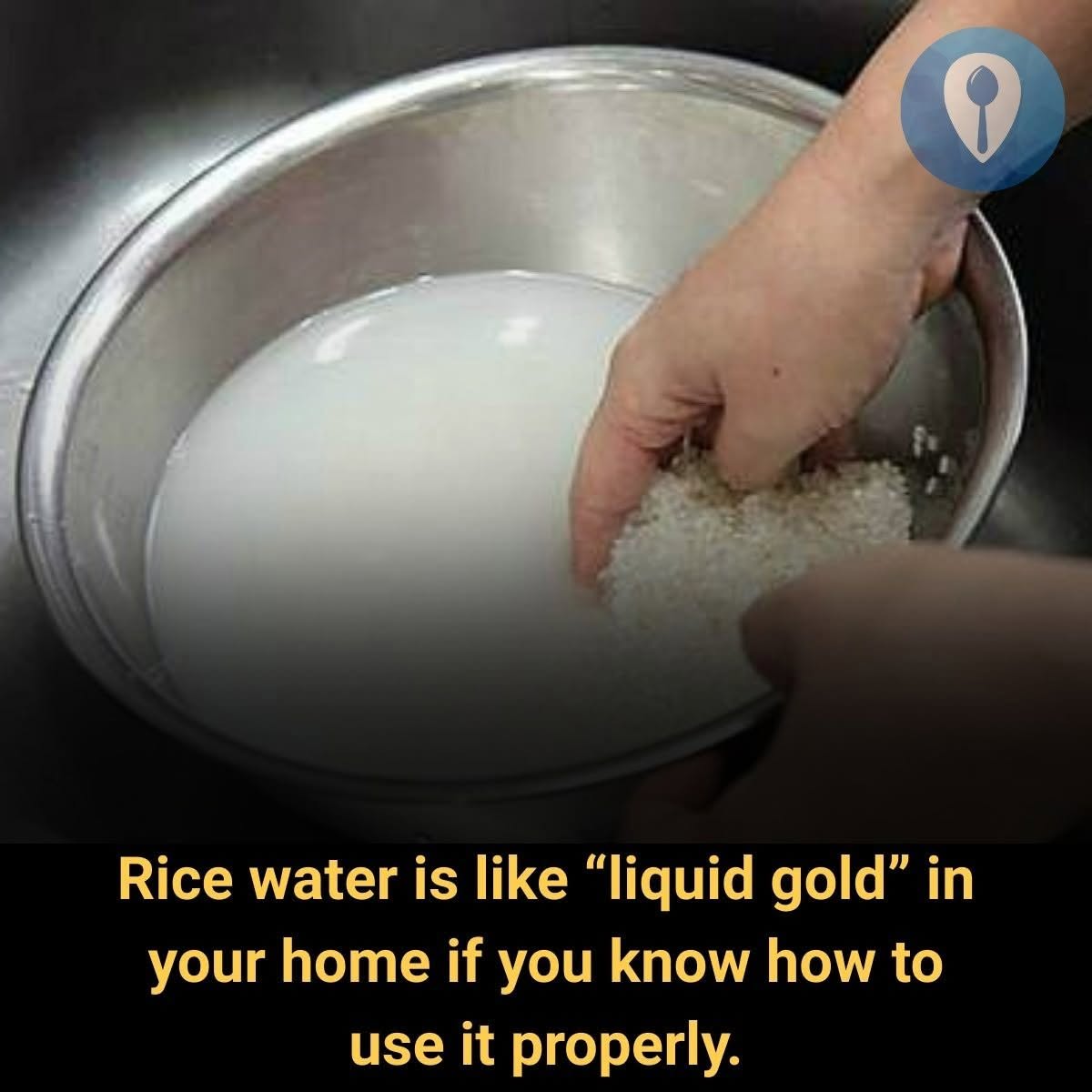
For generations, rice has been a staple food in households around the world. Yet many people pour away the water used to rinse or cook rice without realizing that it may have several practical uses around the home. Often referred to as “liquid gold” by home enthusiasts, rice water has gained popularity as an affordable and versatile household resource.
While some claims surrounding rice water are exaggerated, there are several creative and practical ways it can be used to reduce waste and make the most of everyday ingredients.
What Is Rice Water?
Rice water is the cloudy liquid left behind after rinsing, soaking, or cooking rice.
This liquid contains small amounts of:
- Starch
- Vitamins
- Minerals
- Plant compounds released from the rice
Its nutrient content varies depending on the type of rice and preparation method.
Why Rice Water Has Been Valued for Centuries
Traditional cultures have long found uses for rice water beyond cooking.
Historically, it has been used for:
- Household cleaning
- Gardening
- Hair care
- Skin care
- Textile care
Its popularity comes largely from its simplicity, availability, and low cost.
Rice Water for Plants
Many gardeners use cooled rice water to water certain plants.
Potential benefits include:
- Providing trace nutrients
- Adding organic matter to the soil
- Supporting healthy plant growth
When using rice water in the garden, it is generally best to avoid heavily salted or seasoned cooking water.
A Natural Cleaning Aid
The starch content in rice water may help loosen dirt and residue on some surfaces.
People sometimes use it to:
- Wipe countertops
- Clean kitchen utensils
- Polish certain household items
Always test a small area first to ensure compatibility with the surface.
Rice Water in Hair Care
One of the most popular modern uses for rice water involves hair care.
Many users apply rice water as a rinse because it may help:
- Improve hair appearance
- Increase shine
- Reduce tangles
- Strengthen the feel of hair
Scientific evidence is still limited, but many people enjoy incorporating it into their beauty routines.
[adinserter block=”4″]
Skin Care Applications
Rice water is also frequently used in homemade skincare practices.
Some individuals use it as a gentle facial rinse because it may help:
- Refresh the skin
- Remove surface impurities
- Provide a soothing sensation
However, results vary from person to person, and individuals with sensitive skin should perform a patch test first.
Reducing Household Waste
One of the greatest advantages of rice water is sustainability.
Instead of discarding it, households can potentially reuse it for practical purposes, helping to:
- Reduce waste
- Save money
- Support environmentally conscious habits
Small changes like these can contribute to a more sustainable lifestyle.
How to Prepare Rice Water
Method 1: Rinsing Water
- Place rice in a bowl.
- Add water.
- Swirl gently.
- Collect the cloudy liquid.
Method 2: Soaking Water
- Soak rice for 30 minutes.
- Strain and save the water.
Method 3: Cooking Water
- Cook rice with extra water.
- Strain off excess liquid.
- Allow it to cool before use.
Common Myths About Rice Water
Myth: Rice Water Is a Miracle Cure
Rice water is not a cure for diseases or serious health conditions.
Myth: More Is Always Better
Excessive use may not provide additional benefits and can sometimes create buildup on hair or surfaces.
Myth: Every Claim Is Scientifically Proven
Many popular uses are based on traditional practices and personal experiences rather than extensive scientific research.
Safety Tips
To use rice water safely:
- Store it in the refrigerator if keeping it for later use.
- Discard it if it develops an unpleasant odor.
- Avoid using salted rice water for plants.
- Test on small areas before applying widely.
Fresh rice water is generally preferred for household applications.
Why Traditional Household Hacks Remain Popular
People continue to embrace simple home remedies because they are:
- Affordable
- Accessible
- Environmentally friendly
- Easy to try
Many traditional practices survive because they provide practical benefits with minimal cost.
[adinserter block=”5″]