
[adinserter block=”5″]
Social media is full of alarming headlines warning consumers that supermarkets are secretly selling poor-quality meat or disguising one type of meat as another. These stories often generate concern and confusion, leaving shoppers wondering whether they can trust the products they buy.
While food fraud has occurred in some parts of the world, modern food safety systems, labeling regulations, and inspection programs are designed to help ensure that meat products are accurately identified and safe for consumption.
Understanding how meat is processed, labeled, and sold can help consumers make informed purchasing decisions without falling for sensational claims.
Why These Headlines Spread So Quickly
Food-related stories tend to attract attention because they affect something everyone does every day: eat.
Articles that claim:
- Supermarkets are hiding the truth
- Meat is being mislabeled
- Consumers are being deceived
- Cheap substitutes are being used
often generate strong emotional reactions and encourage sharing on social media.
However, many such claims lack important context or exaggerate isolated incidents.
How Meat Is Typically Regulated
In many countries, meat products are subject to strict oversight.
Regulatory systems often include:
- Farm inspections
- Processing facility inspections
- Food safety standards
- Labeling requirements
- Traceability systems
These measures help reduce the risk of contamination and mislabeling.
Understanding Meat Labels
Learning to read labels can help shoppers make informed choices.
Important information may include:
Product Name
Indicates the type of meat being sold.
Ingredients
Especially important for processed products.
Weight
Shows the quantity being purchased.
Packaging Date
Can help determine freshness.
Storage Instructions
Provides guidance for safe handling.
[adinserter block=”6″]
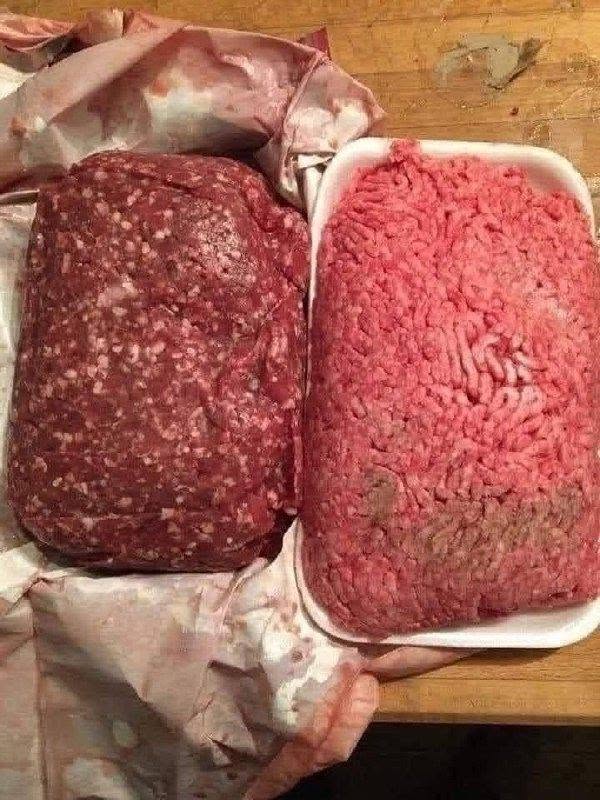
Why Meat Sometimes Looks Different
Consumers may notice variations in:
- Color
- Texture
- Fat content
- Marbling
These differences can result from:
- Animal breed
- Diet
- Age
- Processing methods
- Storage conditions
Variation does not automatically indicate poor quality.
Common Misconceptions About Meat Color
Many people assume that brighter red meat is always fresher.
In reality, color can be influenced by:
- Exposure to oxygen
- Packaging technology
- Storage conditions
A color difference alone does not necessarily indicate spoilage.
Signs of Quality Meat
When shopping, consider:
Appearance
Look for meat that appears fresh and well-handled.
Smell
Fresh meat should not have a strong unpleasant odor.
Packaging
Avoid damaged or leaking packages.
Temperature
Ensure refrigerated products are properly chilled.
Processed vs. Fresh Meat
It’s important to understand the distinction.
Fresh Meat
Generally contains minimal ingredients beyond the meat itself.
Processed Meat
May include:
- Salt
- Seasonings
- Preservatives
- Flavor enhancers
Reading ingredient lists can help consumers choose products that align with their preferences.
The Role of Food Safety Inspections
Food safety agencies routinely inspect processing facilities to help ensure:
- Sanitary conditions
- Proper labeling
- Disease prevention
- Consumer protection
While no system is perfect, these safeguards significantly reduce risks.
How Consumers Can Shop More Confidently
Buy From Reputable Retailers
Established stores generally follow food safety regulations closely.
Read Labels Carefully
Understanding product information reduces confusion.
Store Meat Properly
Prompt refrigeration helps maintain quality.
Cook to Safe Temperatures
Proper cooking remains one of the most important food safety practices.
Avoiding Sensational Claims
When encountering alarming food stories online, consider:
- Is evidence provided?
- Are experts cited?
- Is the claim supported by reliable sources?
- Does the article rely on fear-based language?
Critical thinking can help separate facts from sensationalism.
The Importance of Balanced Information
While consumers should remain informed about food quality and safety, it’s equally important to avoid unnecessary panic.
Most supermarkets operate within regulatory frameworks designed to protect public health and maintain consumer trust.
Being informed is valuable; being alarmed by every viral headline is not.
[adinserter block=”7″]