
[adinserter block=”3″]
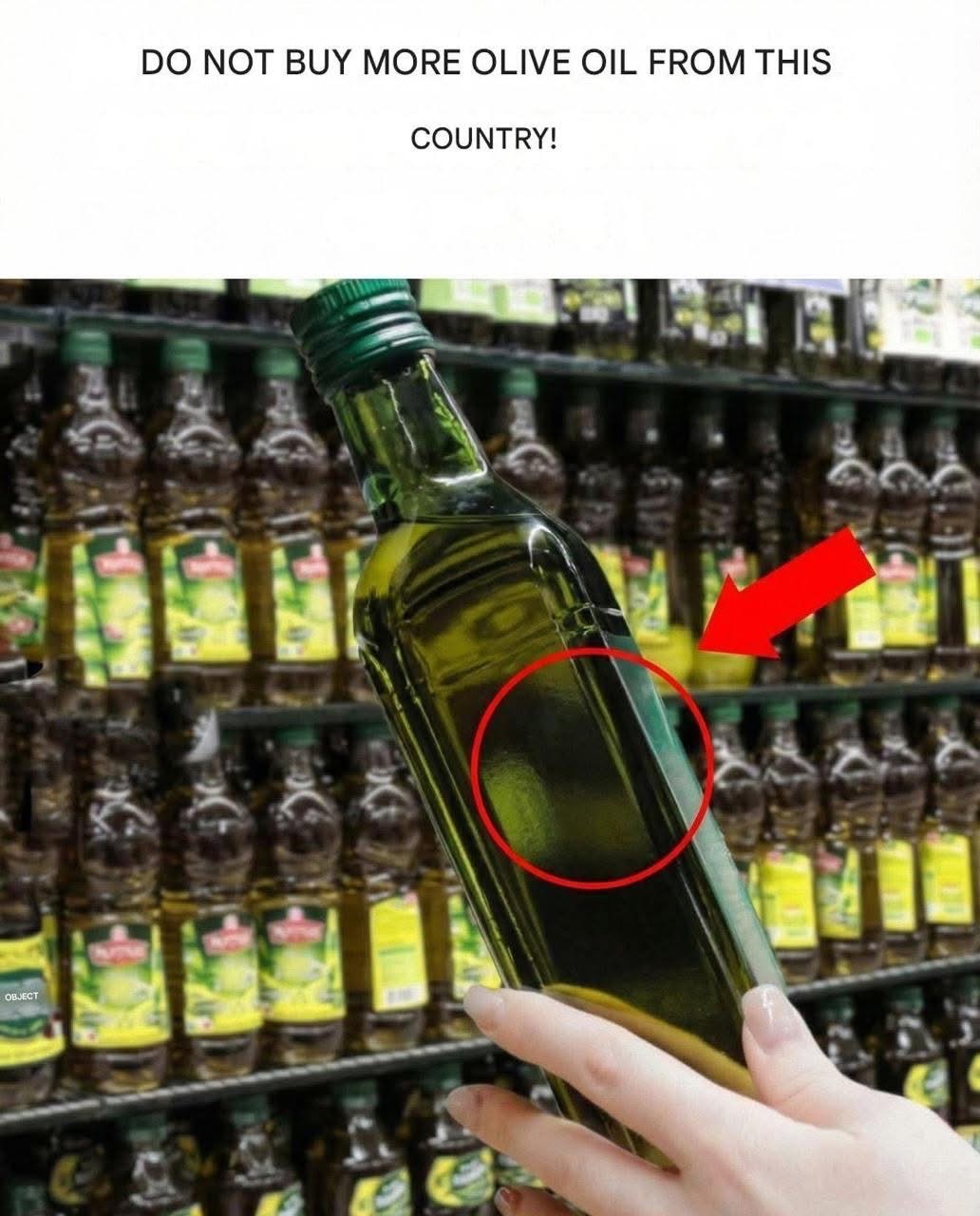
Olive oil is often praised as one of the healthiest fats in the world. Rich in antioxidants and heart-healthy monounsaturated fats, it has become a staple in kitchens everywhere. However, experts have long warned that not every bottle labeled “olive oil” is what it claims to be.
Some reports suggest that a significant portion of olive oil sold worldwide may be diluted, mislabeled, or of lower quality than consumers expect.
What Does “Fake Olive Oil” Mean?
Fake olive oil doesn’t necessarily mean the bottle contains no olive oil at all. More commonly, it refers to products that:
- Are mixed with cheaper vegetable oils
- Are mislabeled as extra virgin olive oil
- Use low-quality or refined oils
- Contain older oils sold as fresh products
In many cases, consumers pay premium prices for products that don’t match the quality advertised on the label.
Why Does This Happen?
Producing genuine extra virgin olive oil is expensive.
The process requires:
- High-quality olives
- Careful harvesting
- Proper storage
- Strict production standards
Because authentic olive oil commands higher prices, some suppliers may be tempted to cut costs by blending or mislabeling products.
Signs of High-Quality Olive Oil
Check the Label
Look for:
- Extra Virgin Olive Oil
- Harvest date
- Country of origin
- Quality certifications
Transparent labeling often indicates greater attention to quality.
[adinserter block=”4″]
Choose Dark Bottles
Olive oil is sensitive to light.
Dark glass bottles help protect the oil from deterioration and preserve freshness.
Look for Fresh Harvest Dates
Like many natural products, olive oil is best when fresh.
The closer the harvest date is to the purchase date, the better.
Taste and Aroma Clues
Authentic extra virgin olive oil often has:
- A fresh, grassy aroma
- Fruity notes
- A slight peppery sensation in the throat
- Mild bitterness
These characteristics are linked to beneficial natural compounds found in quality olive oil.
Common Myths
Myth: Expensive Means Authentic
Price alone does not guarantee quality.
Myth: Light Olive Oil Is Healthier
The term “light” usually refers to flavor and processing, not calorie content.
Myth: Color Indicates Quality
The color of olive oil can vary naturally and is not a reliable indicator of quality.
Health Benefits of Genuine Olive Oil
When choosing authentic extra virgin olive oil, potential benefits include:
- Support for heart health
- Antioxidant protection
- Anti-inflammatory properties
- Support for healthy cholesterol levels
These benefits are one reason olive oil is a key component of the Mediterranean diet.
Tips for Buying Better Olive Oil
- Purchase from reputable brands
- Check harvest and expiration dates
- Store oil away from heat and sunlight
- Avoid buying large quantities if you won’t use them quickly
- Look for certification seals when available
[adinserter block=”5″]