
[adinserter block=”3″]
Hidden Dangers in Your Mouth: Early Warning Signs You Should Pay Attention To
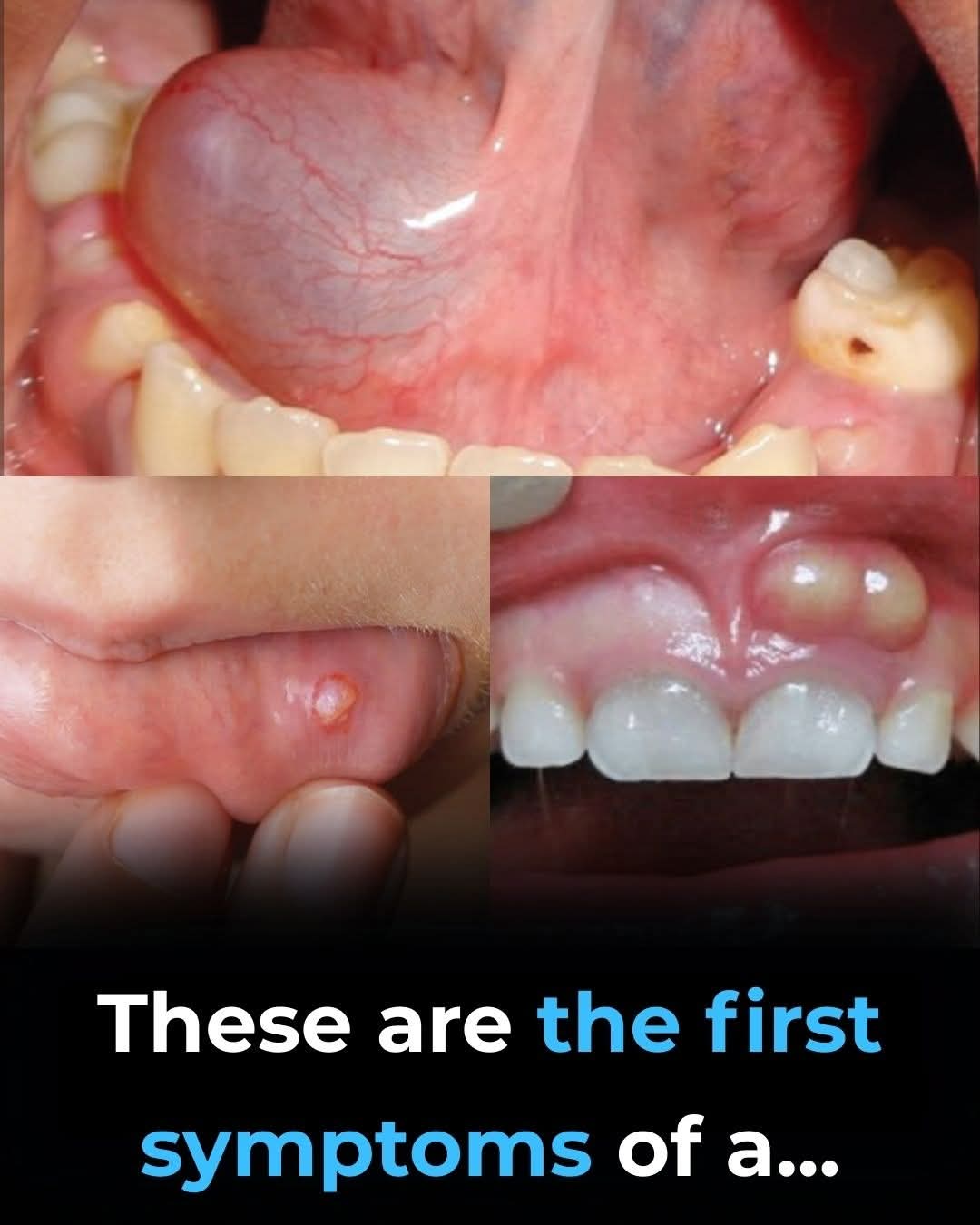
Your mouth can sometimes reveal important clues about your overall health. Changes in your gums, teeth, tongue, or breath may be signs of dental problems or, in some cases, other health concerns. Paying attention to unusual symptoms can help you take action early.
1. Bleeding gums
Occasional bleeding may happen from brushing too hard, but frequent bleeding, swelling, or tenderness can be a sign of gum inflammation and should be checked by a dental professional.
2. Persistent bad breath
Bad breath that does not improve with brushing, flossing, and cleaning your tongue may be linked to bacteria buildup, gum problems, dry mouth, or other underlying issues.
3. White or unusual patches in the mouth
Changes in the color or texture of the tongue, cheeks, or gums that do not go away should be examined, especially if they persist.
4. Mouth sores that do not heal
Most small mouth ulcers heal within a short time. A sore that remains for weeks or keeps returning should be evaluated.
5. Loose teeth or tooth sensitivity
Unexpected tooth movement, pain, or increased sensitivity may indicate problems with teeth, gums, or bone support.
[adinserter block=”4″]
6. Dry mouth
A lack of saliva can increase the risk of cavities, infections, and discomfort. It may be caused by medications, dehydration, or other conditions.
7. Changes in the tongue
Swelling, unusual texture, pain, or changes in color can sometimes signal oral health issues that need attention.
8. Jaw pain or difficulty chewing
Ongoing discomfort when opening the mouth or chewing may be related to dental problems or jaw conditions.
9. Unusual taste or numbness
Persistent changes in taste or areas of numbness inside the mouth should not be ignored.
10. Frequent dental problems
Repeated cavities, infections, or gum issues may be a sign that your oral hygiene routine or overall health needs attention.
Important: These signs do not always mean something serious, but unusual or persistent changes in your mouth are worth discussing with a dentist or healthcare professional. Regular brushing, flossing, dental checkups, and a healthy lifestyle are key steps for protecting both oral and overall health.
[adinserter block=”5″]