
[adinserter block=”3″]
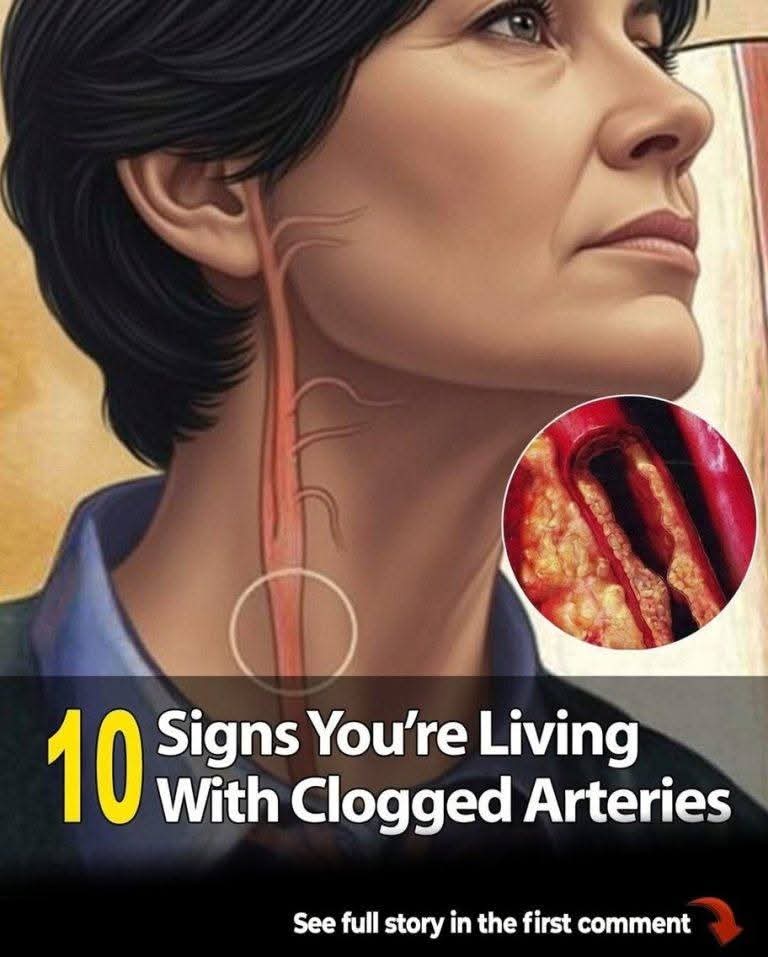
10 Possible Warning Signs of Blocked Arteries You Should Know
Blocked arteries, often linked to a buildup of plaque inside blood vessels, can reduce blood flow and may increase the risk of serious health problems. In some cases, people may not notice symptoms until the blockage becomes more severe. Knowing possible warning signs can help you pay attention to changes in your body and seek medical advice when needed.
1. Chest discomfort or pressure
A feeling of tightness, heaviness, or pressure in the chest can sometimes be a sign that the heart is not receiving enough blood and oxygen.
2. Shortness of breath
Difficulty breathing, especially during activities that were previously easy, may occur when the heart has to work harder.
3. Unusual fatigue
Feeling extremely tired without a clear reason can sometimes be linked to reduced circulation or heart-related issues.
4. Pain or discomfort in the arms, shoulders, neck, jaw, or back
Heart-related discomfort is not always felt only in the chest. Some people experience pain spreading to other areas.
5. Dizziness or lightheadedness
Reduced blood flow can sometimes contribute to feelings of dizziness or weakness.
[adinserter block=”4″]
6. Cold hands and feet
Poor circulation may cause extremities to feel colder than usual.
7. Leg pain during walking
Pain, cramping, or heaviness in the legs while walking that improves with rest can be associated with circulation problems.
8. Changes in skin color or slow-healing wounds
Poor blood supply can affect skin health and the healing process, especially in the legs and feet.
9. Irregular heartbeat or palpitations
Some people may notice unusual heart rhythms or a sensation of the heart racing.
10. High blood pressure or cholesterol levels
These conditions often do not cause obvious symptoms but can contribute to artery narrowing over time.
Important: These signs do not always mean you have blocked arteries, as they can be caused by many other conditions. If you experience sudden chest pain, severe shortness of breath, fainting, or symptoms that feel serious, seek urgent medical help. Regular checkups, a balanced diet, physical activity, and managing blood pressure and cholesterol can help support heart health.
[adinserter block=”5″]