
[adinserter block=”3″]
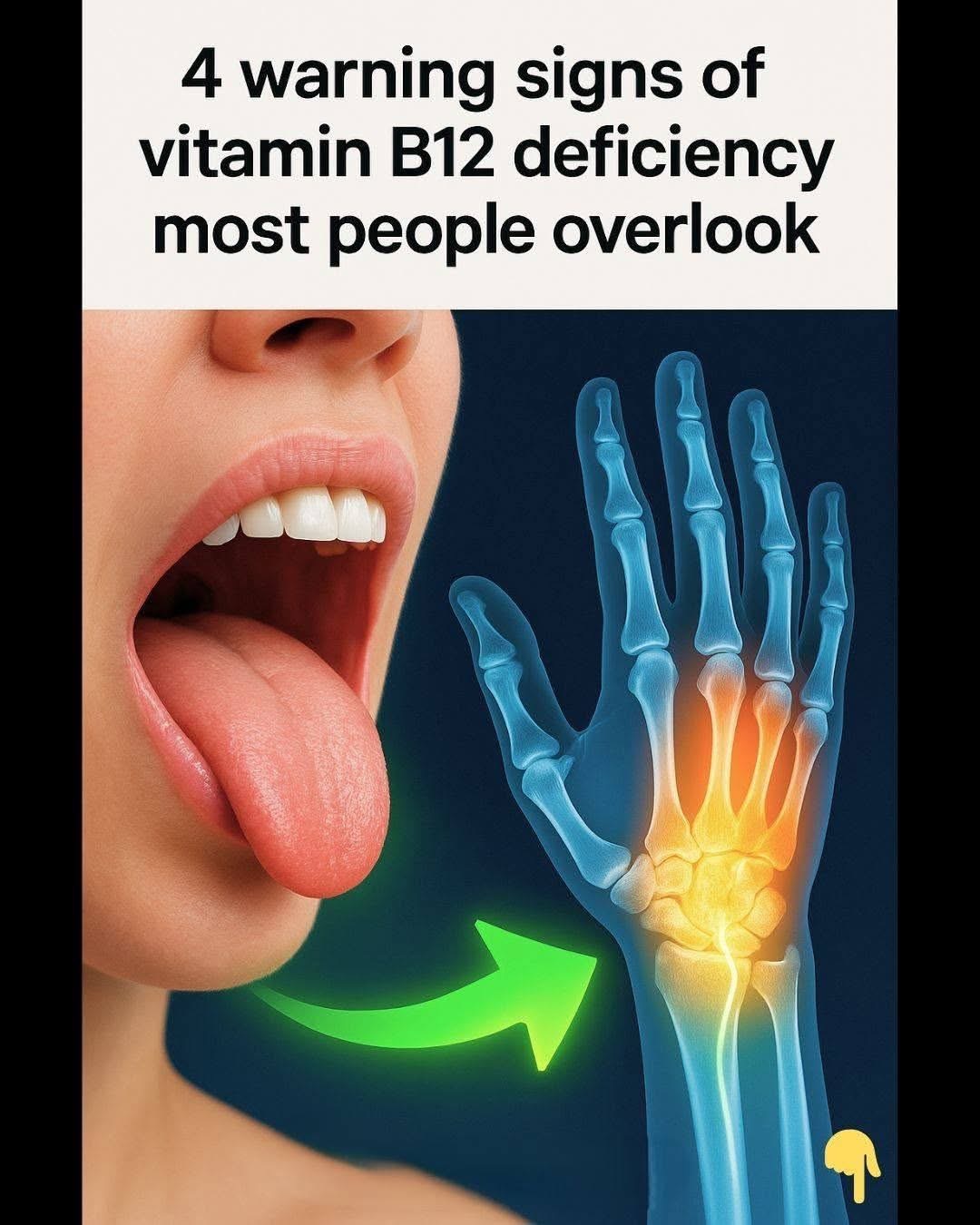
Vitamin B12 is essential for healthy nerves, red blood cell production, and brain function. When your body doesn’t get enough of this important vitamin, a variety of symptoms can develop, some of which may become serious if left untreated.
1. Extreme Fatigue and Weakness
One of the most common signs of vitamin B12 deficiency is persistent tiredness.
You may experience:
- Low energy levels
- Weakness
- Shortness of breath during routine activities
- Difficulty completing daily tasks
This happens because the body struggles to produce enough healthy red blood cells to carry oxygen efficiently.
2. Tingling or Numbness
Vitamin B12 plays a crucial role in maintaining healthy nerves.
A deficiency can lead to:
- Tingling sensations in the hands or feet
- Numbness
- A “pins and needles” feeling
- Balance problems
These symptoms may gradually worsen if the deficiency is not corrected.
[adinserter block=”4″]
3. Memory and Concentration Problems
Low vitamin B12 levels can affect brain function.
Possible symptoms include:
- Memory lapses
- Difficulty concentrating
- Mental fog
- Confusion
In older adults, severe deficiency may sometimes be mistaken for age-related cognitive decline.
4. Pale or Yellowish Skin
Vitamin B12 deficiency can affect red blood cell production, causing:
- Pale skin
- Yellowish skin tone
- A tired or unhealthy appearance
Some people may also notice a sore or inflamed tongue.
Who Is Most at Risk?
The risk of vitamin B12 deficiency is higher among:
- Older adults
- Vegetarians and vegans
- People with digestive disorders
- Individuals who have had certain stomach or intestinal surgeries
- People taking some long-term medications
Good Sources of Vitamin B12
Vitamin B12 is naturally found in:
- Meat
- Fish
- Poultry
- Eggs
- Dairy products
Fortified foods and supplements can help those who do not consume enough animal products.
When to See a Doctor
Consult a healthcare professional if you experience:
- Persistent fatigue
- Numbness or tingling
- Memory problems
- Unexplained weakness
A simple blood test can often determine whether vitamin B12 levels are low.
[adinserter block=”5″]