
“Students and staff will naturally be feeling worried about the likelihood of further cases, however meningococcal meningitis requires very close contact to spread and large outbreaks as we saw in Kent recently are thankfully rare.
[adinserter block=”6″]
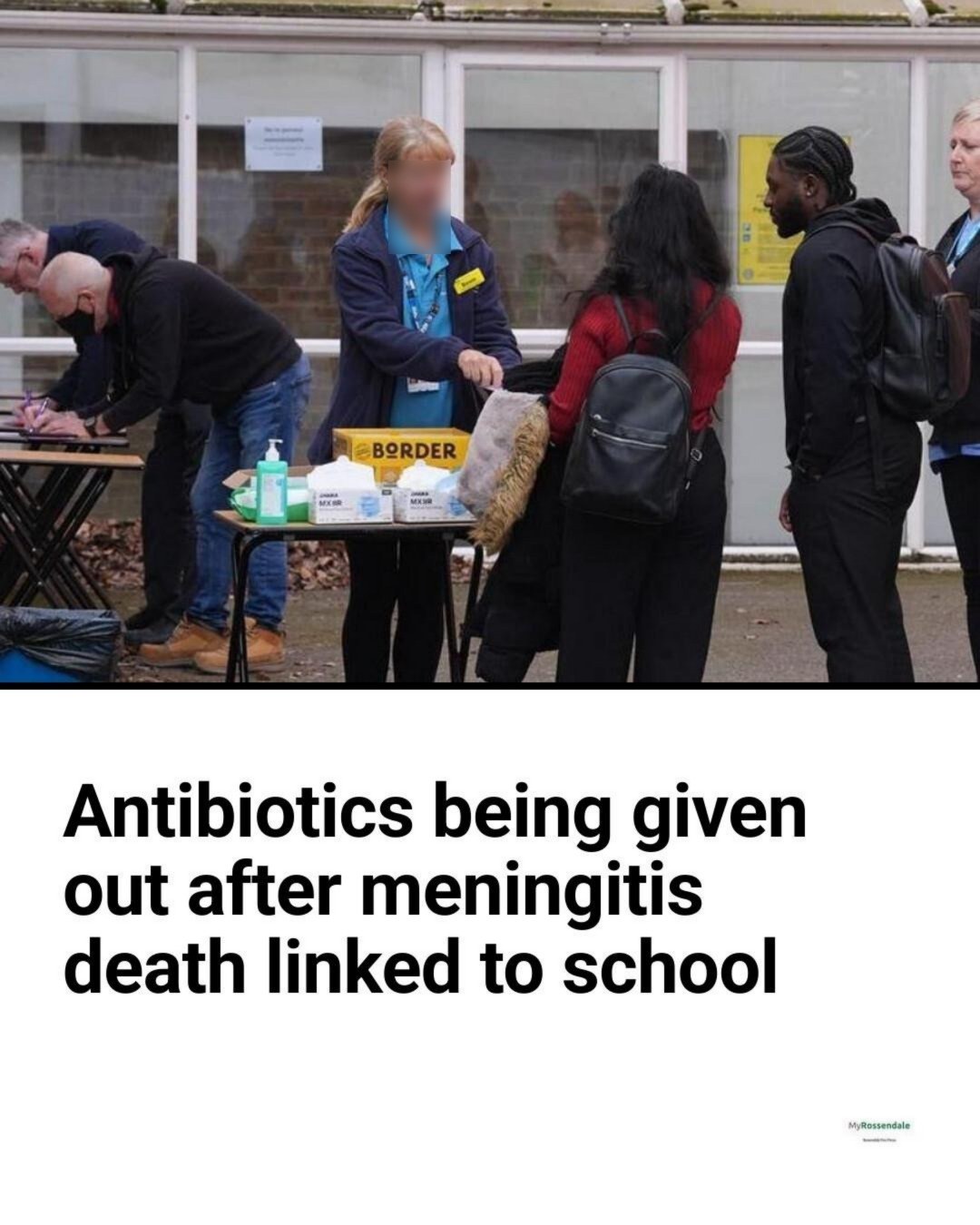
“We are working closely with partners and have provided public health advice and precautionary antibiotic treatment to close contacts of the cases. Meningococcal disease does not spread easily and the risk to the wider public remains low.”
Meningitis Now’s chief executive Dr Tom Nutt said: “Everyone at Meningitis Now is deeply saddened and concerned to hear reports of a suspected outbreak of meningitis affecting young people in Reading and the surrounding area, including the tragic death of a young person.
“We would urge people to remain vigilant and aware of the signs and symptoms of the disease. Meningitis can become life-threatening very quickly and early diagnosis and treatment are absolutely vital.”
According to Dr Nutt, symptoms can appear in “any order” and may include a high temperature, severe headache, vomiting, stiff neck, sensitivity to light, confusion, drowsiness, cold hands and feet, severe muscle pain, and a rash that does not fade under pressure.
“Teenagers and young adults are among the groups most at risk from meningococcal disease, and the recent outbreak in Kent has shown how quickly cases can emerge,” he added. In March, hundreds of people were given the MenB vaccine or antibiotics to stem the spread of the bug in the Kent outbreak.
[adinserter block=”5″]