
[adinserter block=”5″]
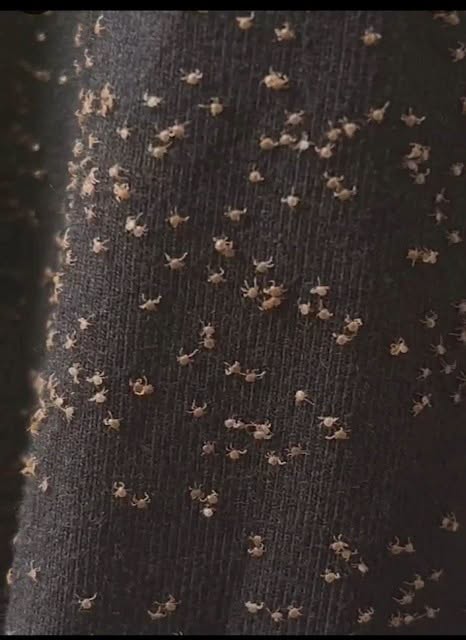
The secret lies in their structure.
Many hitchhiking seeds are equipped with:
- Tiny hooks
- Barbs
- Spines
- Hair-like projections
These features allow them to catch on almost any textured surface.
Once attached, they remain in place until they eventually fall off in a new location.
Why Plants Use This Strategy
Seed dispersal is essential for plant survival.
By spreading seeds away from the parent plant, species can:
- Reduce competition for sunlight
- Access new soil and nutrients
- Expand their range
- Improve survival rates
Animals and humans unknowingly become transportation systems for the next generation of plants.
Are They Harmful?
In most cases, these seeds are harmless.
They typically:
- Do not bite
- Do not sting
- Do not carry disease
However, some burrs can be irritating if they become tangled in hair or pet fur.
Certain species may also be uncomfortable if stepped on barefoot.
[adinserter block=”3″]
Why Pets Often Bring Them Home
Dogs are especially effective seed transporters.
Their fur provides countless places for seeds to attach.
After walks, many pet owners discover burrs lodged in:
- Tails
- Ears
- Paws
- Long fur
Checking pets after outdoor adventures can help prevent discomfort and matting.
The Surprising Link to Velcro
One of nature’s most famous inventions inspired a modern convenience.
In the 1940s, Swiss engineer George de Mestral noticed burrs repeatedly sticking to his clothing and his dog’s fur.
After examining them under a microscope, he discovered the tiny hook structure responsible for their grip.
This observation eventually led to the creation of Velcro, now used worldwide in clothing, footwear, medical equipment, and countless other products.
How to Remove Sticky Seeds from Clothing
If your clothing becomes covered with burrs or hitchhiking seeds:
Brush Them Off Promptly
Removing them before they become deeply embedded is easiest.
Use a Lint Roller
A lint roller may help with smaller seeds.
Try a Fine-Toothed Comb
For stubborn burrs, a comb can help loosen them.
Wash Clothing
A normal wash cycle often removes remaining fragments.
How to Prevent Them
While avoiding every seed is impossible, a few precautions can help:
- Stay on maintained trails
- Avoid walking through tall weeds
- Wear smooth fabrics when hiking
- Check clothing before entering your home
- Groom pets after outdoor activities
Fascinating Examples of Plant Adaptation
These tiny seeds demonstrate how remarkably adaptable plants can be.
Without engines, wheels, or wings, they have evolved methods to travel miles from their origin using nothing more than a passing animal—or a pair of pants.
It’s one of nature’s most effective and elegant transportation systems.
Frequently Asked Questions
Are the seeds insects?
No. They are usually plant seeds or seed pods designed for dispersal.
Can they grow if they fall off indoors?
Most require suitable outdoor conditions and are unlikely to thrive inside a home.
Why do some stick better than others?
Different plant species have evolved different hook and barb structures.
Are they dangerous for pets?
Most are harmless, but large burrs can cause discomfort if left tangled in fur.
[adinserter block=”4″]